


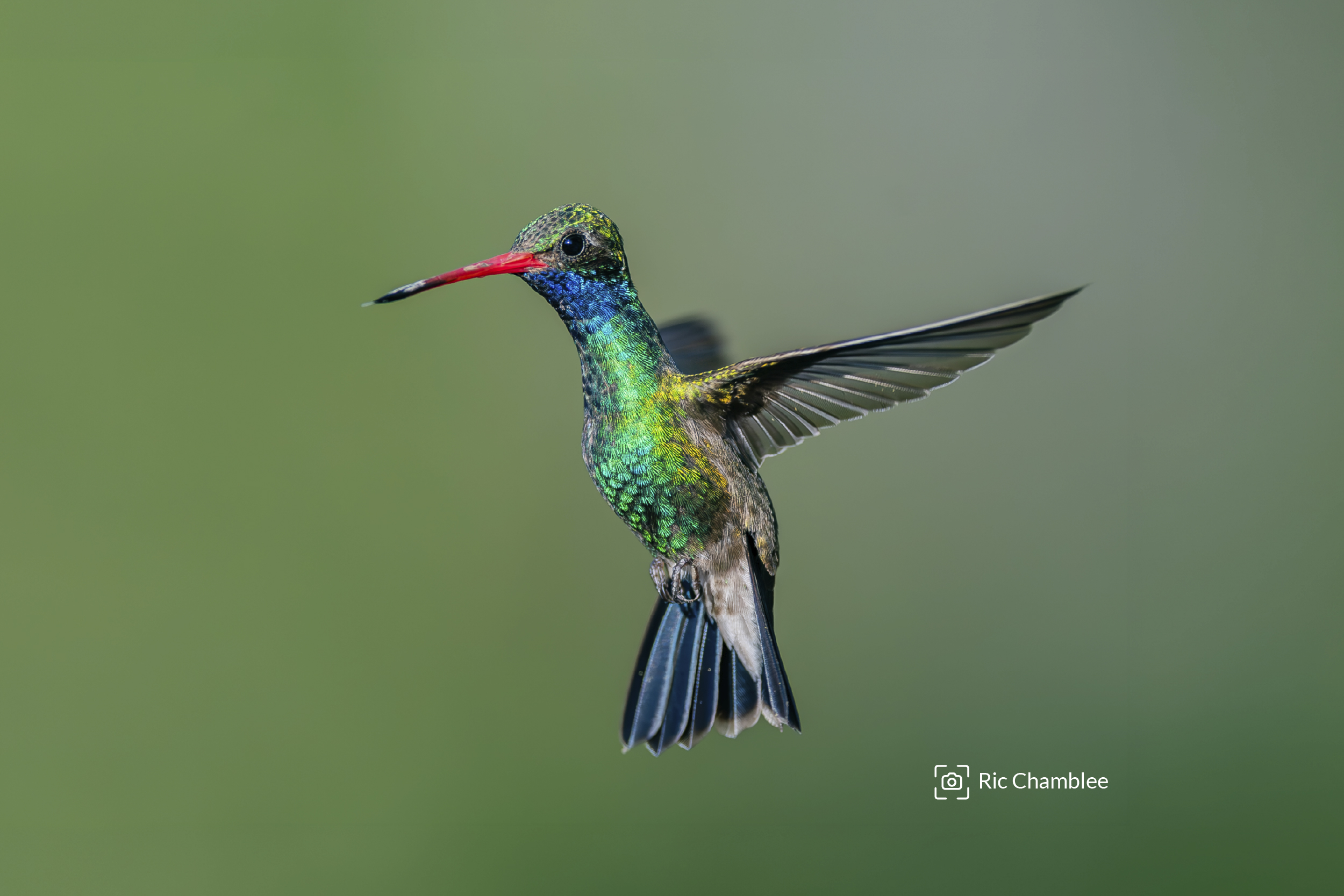

Bird of the Month at Vallarta Botanical Garden Small, fast, and full of color, the broad-billed hummingbird is one of those species that can easily go unnoticed—until the right light reveals its true beauty. Measuring just 12 cm (4.7 inches) in wingspan and weighing between 3 to 4 grams, this
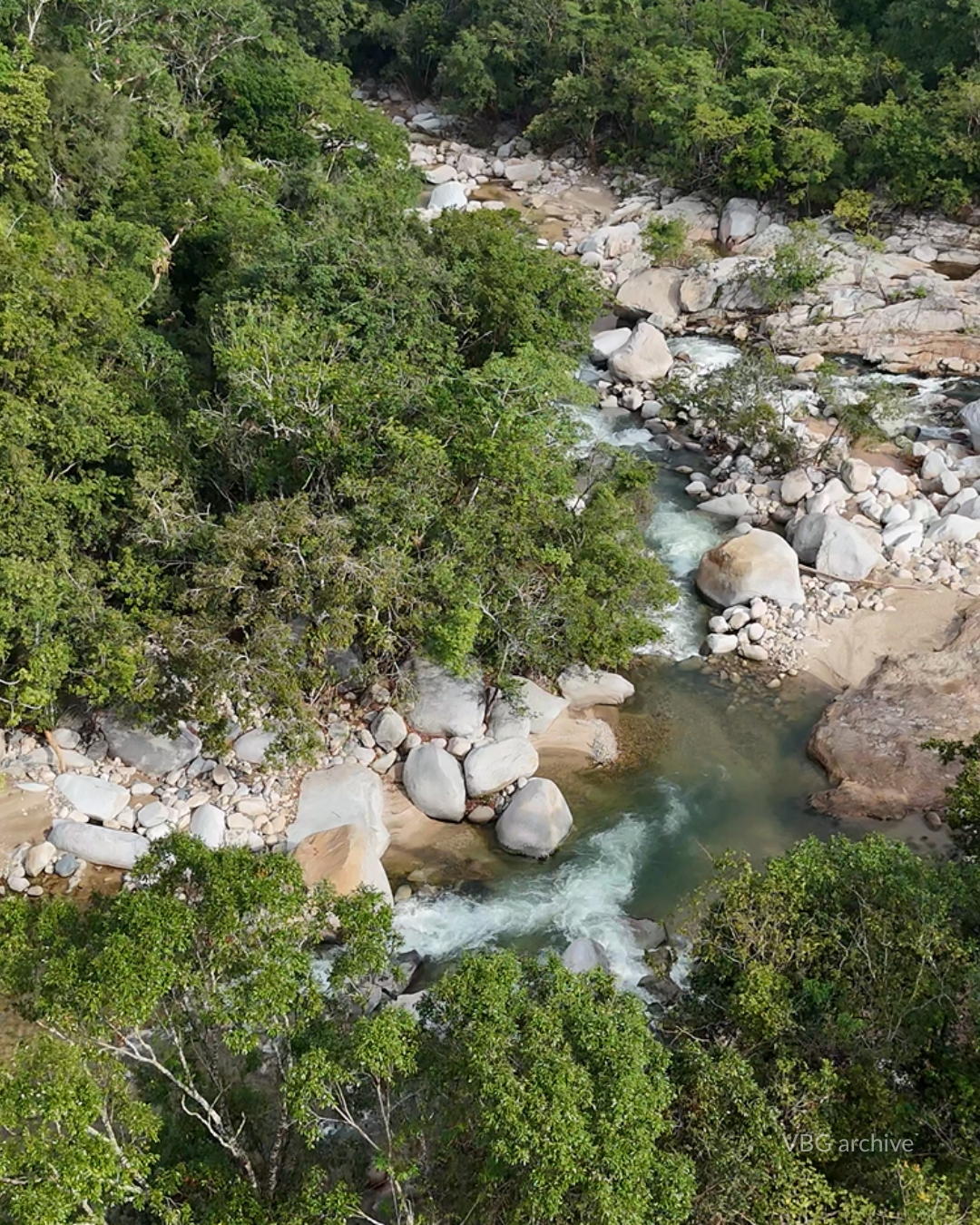
A natural treasure south of Banderas Bay worth discovering The Río Los Horcones is one of the few rivers in the Puerto Vallarta region that still flows without dams, maintaining its natural course and allowing the ecosystems that depend on it to function in balance. Located in the southern part
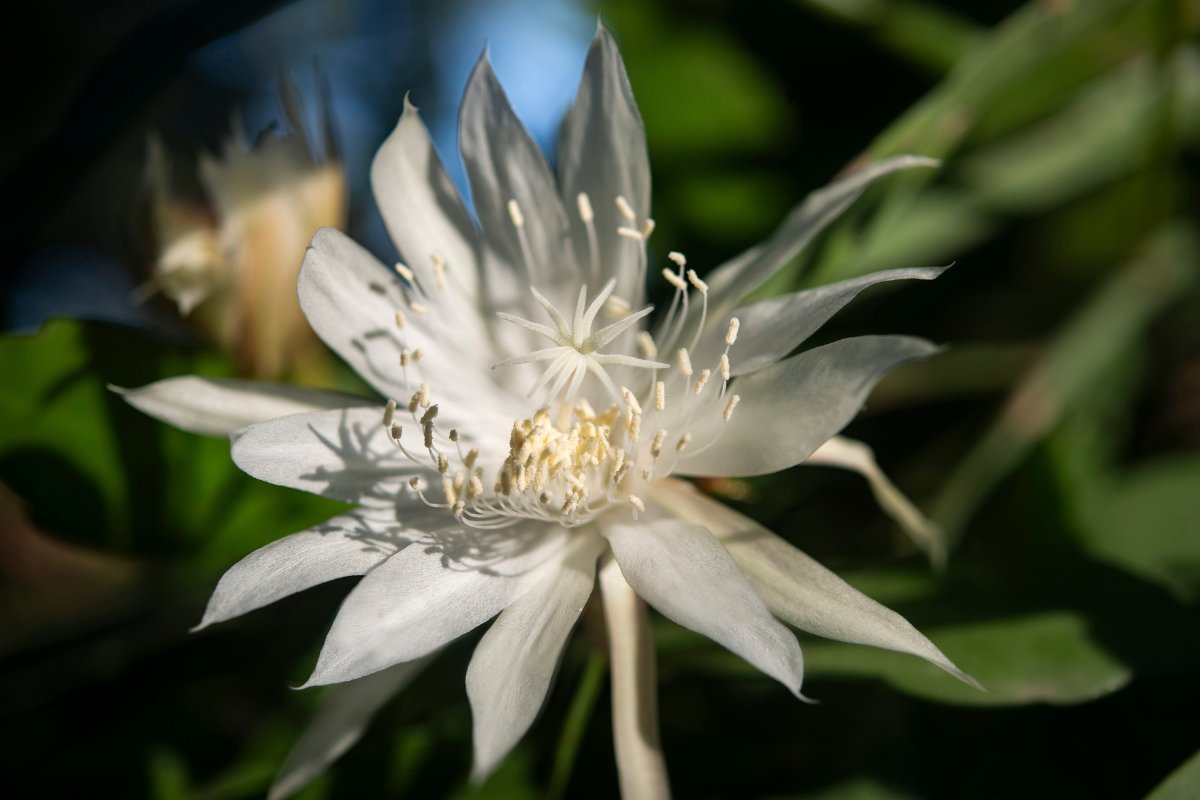
Epiphyllum hookeri, commonly known as the Queen of the Night or night-blooming cereus, is one of the most fascinating flowering plants found in tropical regions. This epiphytic cactus is famous for its large, fragrant white flowers that open only at night and last for just a few hours. Native to
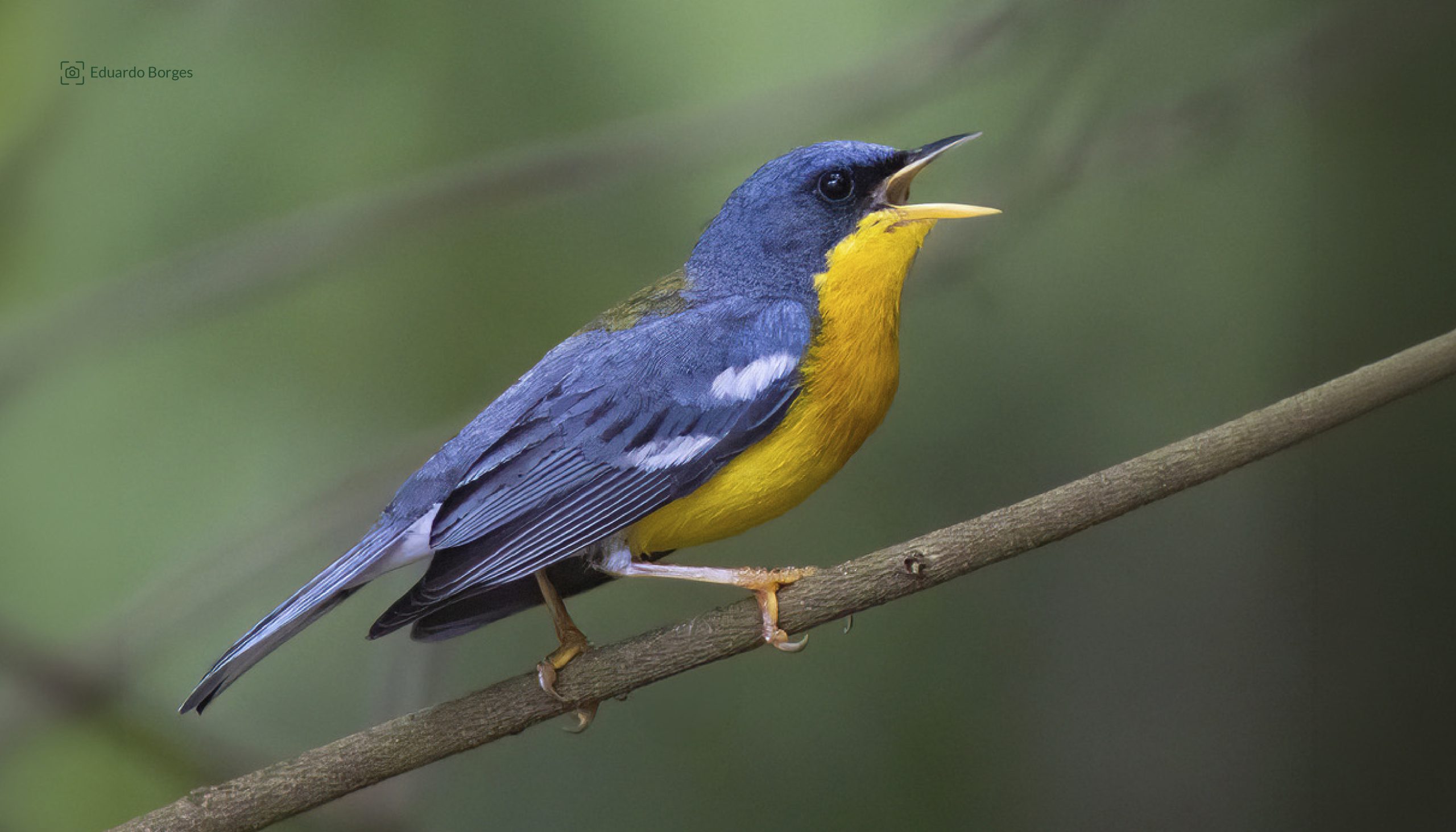
Setophaga pitiayumi Among the many bird species inhabiting the tropical forests of Mexico, the Tropical Parula (Setophaga pitiayumi) stands out for its small size, lively song, and striking coloration. Although it often moves quietly among the branches, its contrasting plumage makes it recognizable to attentive observers. The upperparts of the