jardín bótanico teléfono
Vallarta Botanical Garden — 2022 Garden of Excellence Award — American Public Garden Association

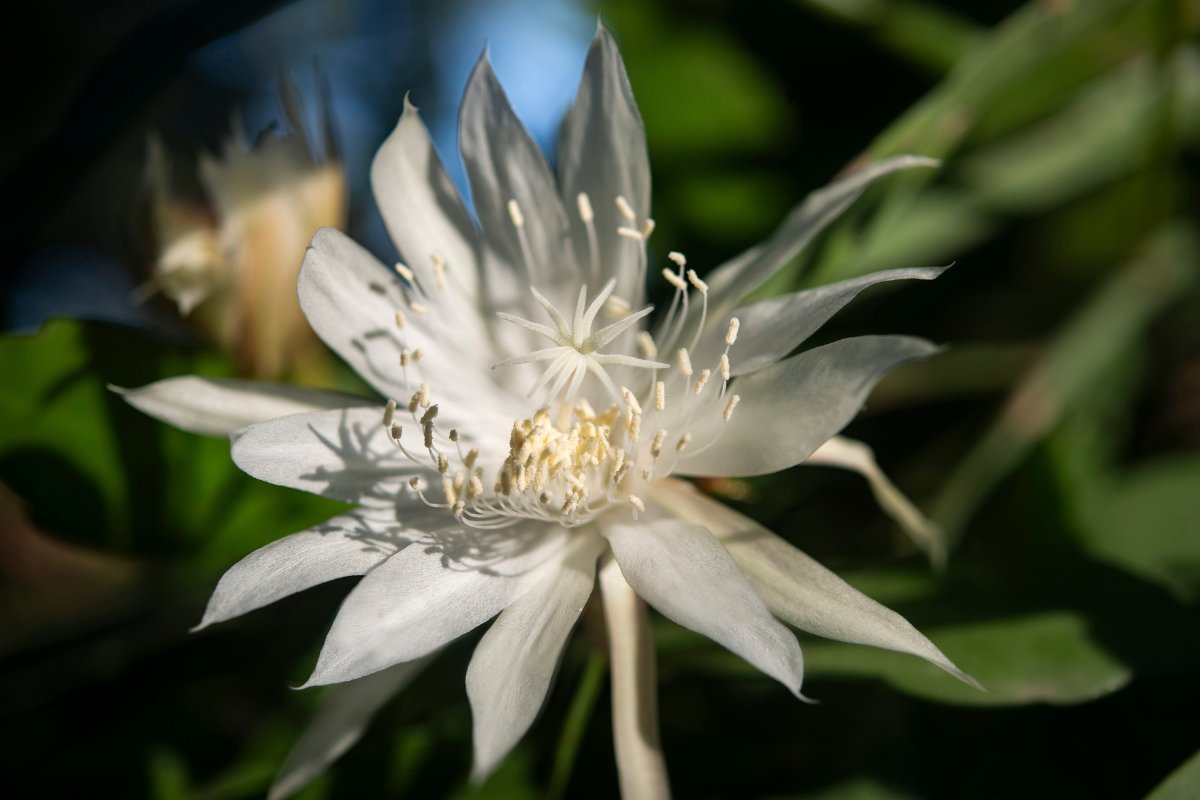
Cypripedium Irapeanum

By: Nat. Eduardo Villegas

The name of this orchid comes from Kripis (Venus) and pedilon (shoe). For its part, the term irapeanum comes from the first place where the orchid was found: Irapeo, Michoacán. Although it is also distributed on the Mexican Pacific slope, from Chiapas to Sinaloa, as well as Puebla and Veracruz, as well as some areas of Guatemala and Honduras.

The shape and colors of its flowers make it a truly extravagant and beautiful orchid. Pollinators, attracted by its aroma and peculiar pigmentation, fall into its “trap” for a moment, before managing to escape, but not before having ensured the pollination of the flower.

According to popular medicine, the root of cypripedias has sedative and antispasmodic properties, and is used against toothaches and muscle spasms.


Share:

Facebook
LinkedIn
Email

Social Media

Most Popular

Get The Latest Updates

Subscribe Our Newsletter

No spam, notifications only about new products, updates.
Garden News

Related Posts

Bird of the Month: Ara Militaris

Biól. Jesús Ángel Barajas Fragoso Military Macaw Ara militaris  IUCN: VU, NOM-059:  P  This new year, we bring you some facts about one of the most emblematic birds in our garden and in western Mexico. It is the sixth largest macaw, with a wingspan of 71-76 cm.  To see it in the Garden, you

Read More »

In memoriam Rafael Guzmán Mejía

Rafael Guzmán Mejía  Distinguished Botanist of Western Mexico (October 24, 1950 – May 21, 2024) 75th Anniversary of His Birth Rafael Guzmán Mejía in a perennial teosinte (Zea diploperennis) plot. Image from the archive of Dr. Antonio Vázquez. By Carmen Anaya Originally from Cihuatlán, Jalisco, Rafael Guzmán Mejía grew up

Read More »

Bird of the Month: Yellow-breasted Chat

Biól. Jesús Ángel Barajas Fragoso For a long time, Icteria virens, known as the Yellow-breasted Chat, was considered part of the Parulidae family, along with tree warblers, orioles, New World blackbirds, sparrows, and buntings. However, its unique behavior and characteristics puzzled ornithologists. Finally, in 2017, after years of taxonomic debate,

Read More »