

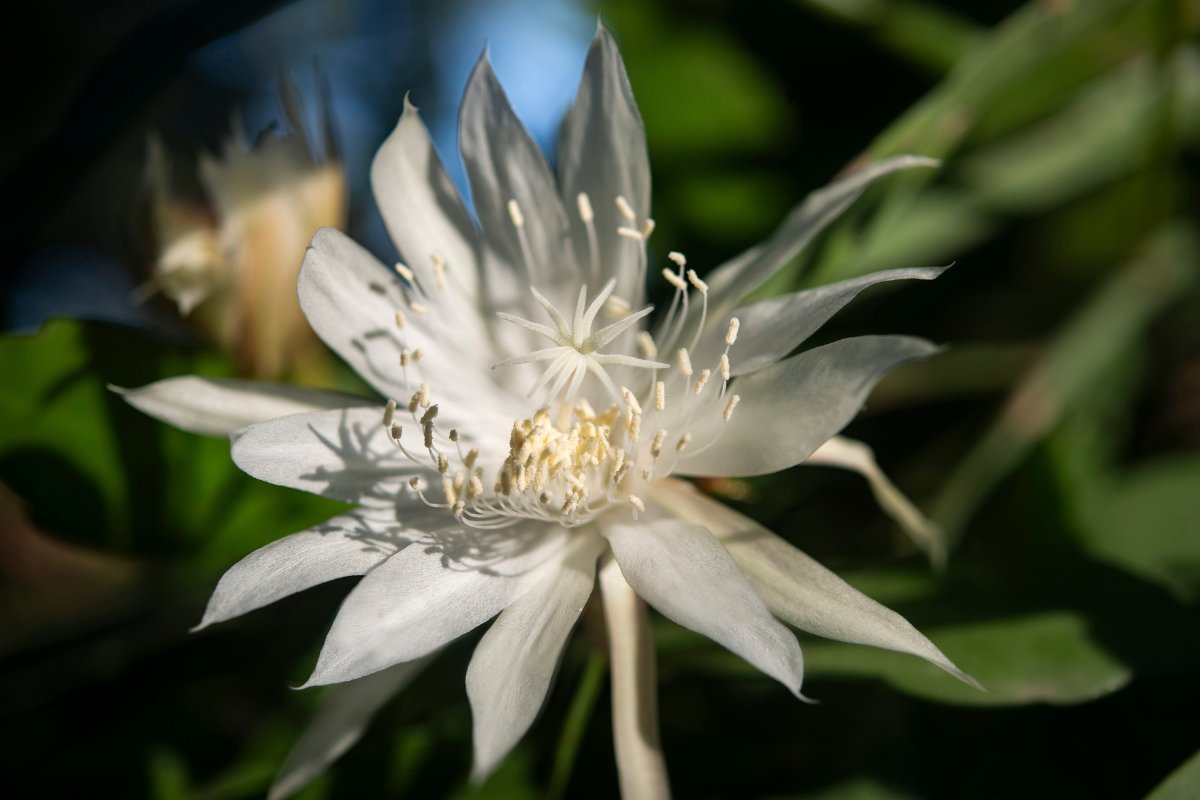



Epiphyllum oxypetalum, commonly known as the Queen of the Night or night-blooming cereus, is one of the most fascinating flowering plants found in tropical regions. This epiphytic cactus is famous for its large, fragrant white flowers that open only at night and last for just a few hours. Native to
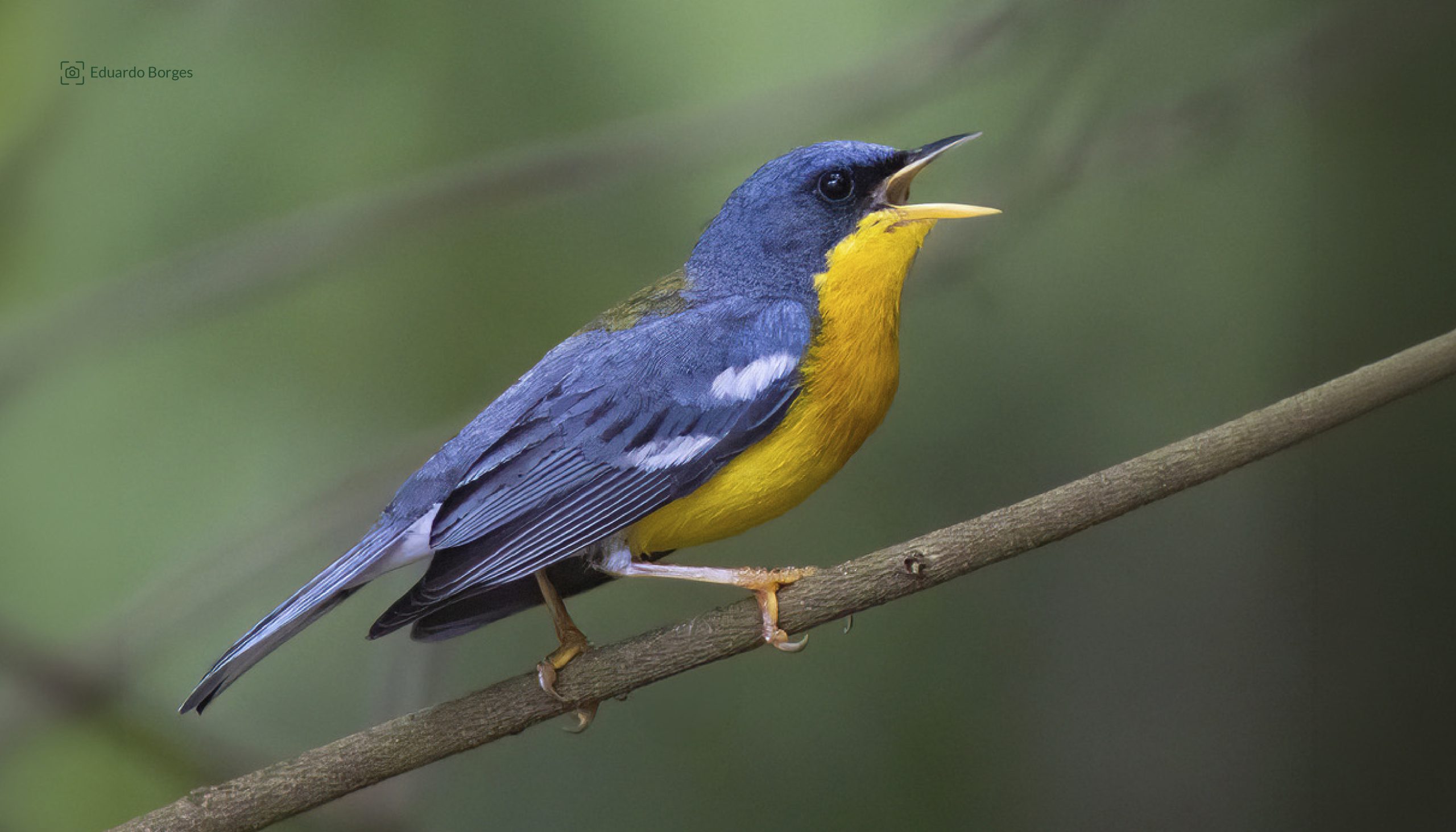
Setophaga pitiayumi Among the many bird species inhabiting the tropical forests of Mexico, the Tropical Parula (Setophaga pitiayumi) stands out for its small size, lively song, and striking coloration. Although it often moves quietly among the branches, its contrasting plumage makes it recognizable to attentive observers. The upperparts of the
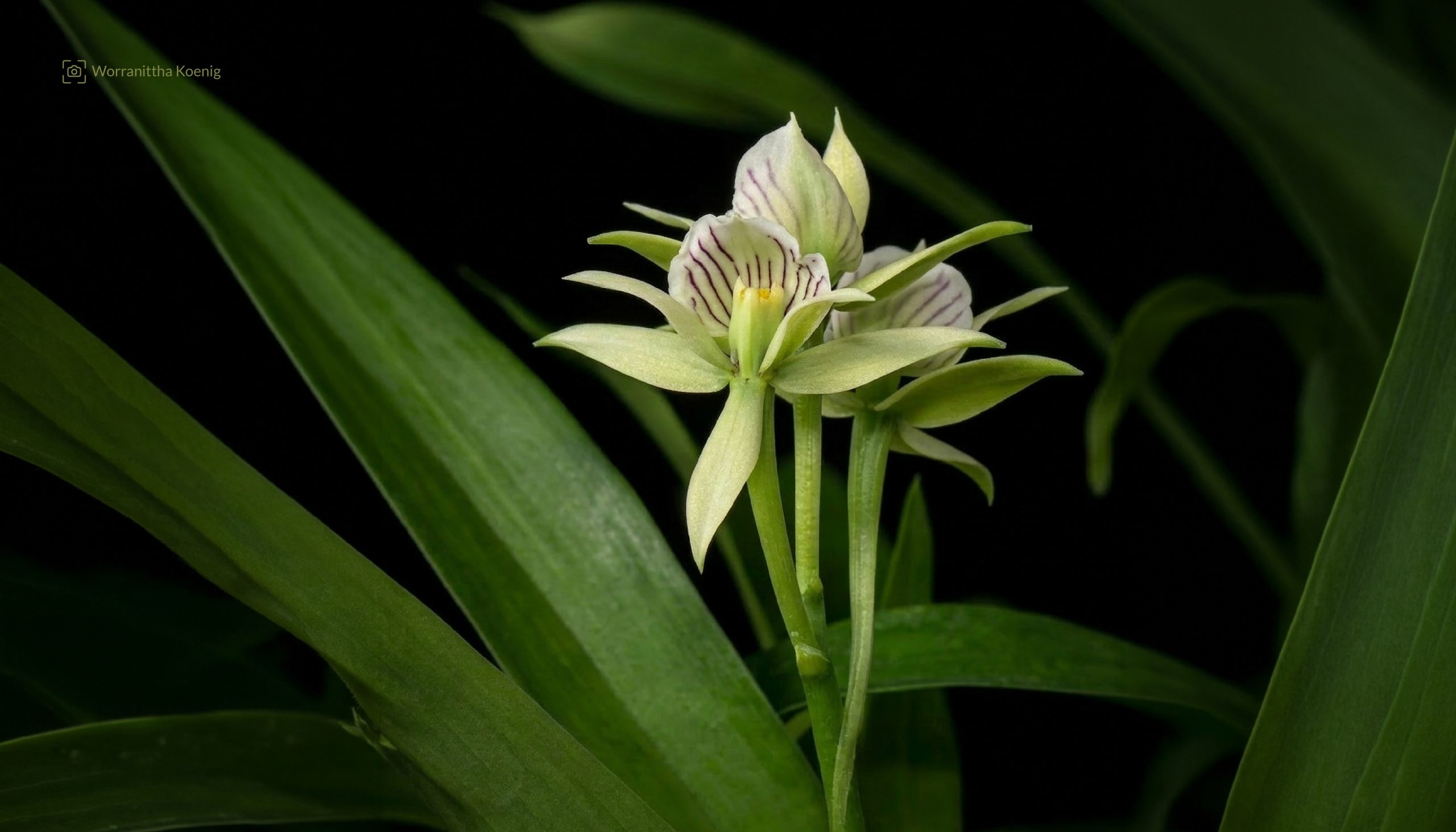
A Mexican Orchid with History and a Subtle Fragrance The Orchid of the Month is Prosthechea madrensis, commonly known in Mexico as flor de concha (shell flower). This species stands out not only for the delicate beauty of its cream-colored flowers and its soft fragrance, but also for the fascinating
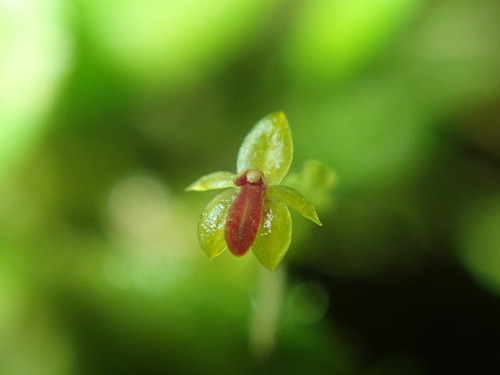
By: Oscar Rodriguez Ramos Platystele stenostachya is a miniature orchid that bears one of the smallest flowers in the plant kingdom, making it a true gem within the world of Mexican orchids. This species is native to Mexico’s cloud forests, where it grows in the states of Veracruz, Puebla, Chiapas,