Technical Workshop in Turrialba
by Evelyn Martínez Cuevas
The Vallarta Botanical Gardens (VBG) is part of the Central and Caribbean Botanical Garden (CCBG) and the Botanic Gardens Conservation International (BGCI) networks. Both organizations promote collaboration between gardens on conservation, research, and environmental education. Through their joint efforts international strategies are being developed to better protect threatened plant species and the ecosystems that sustain them.
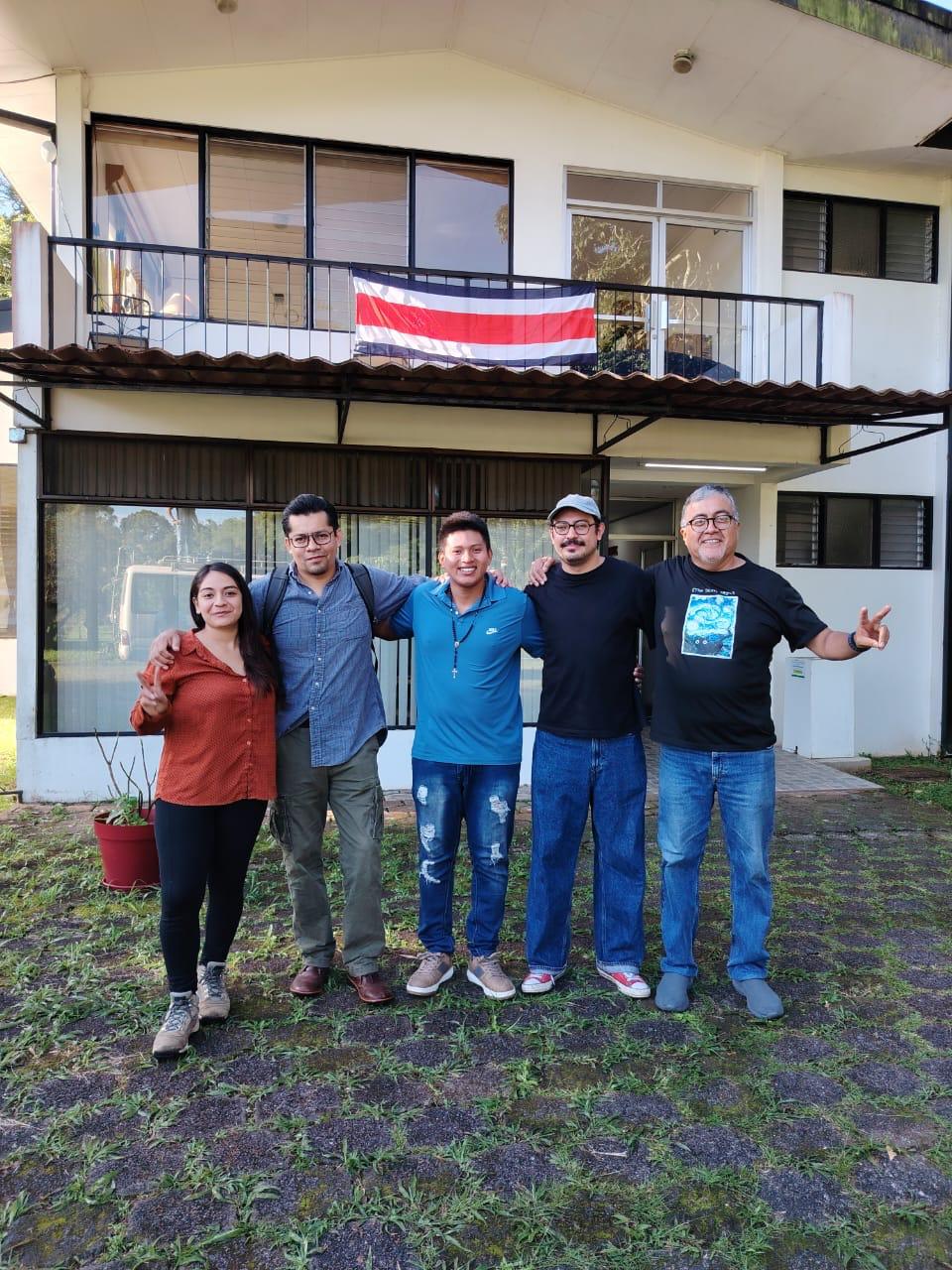
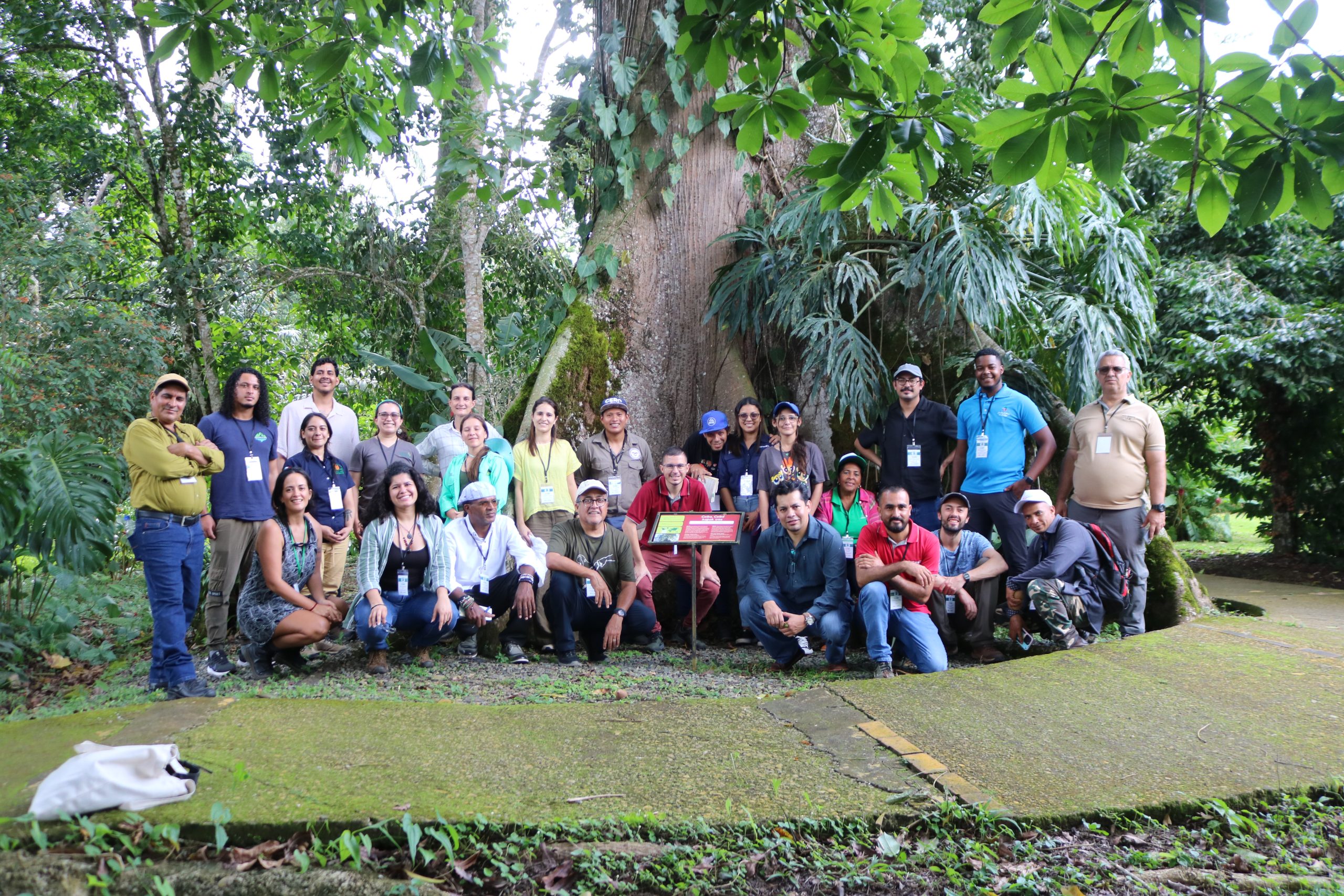
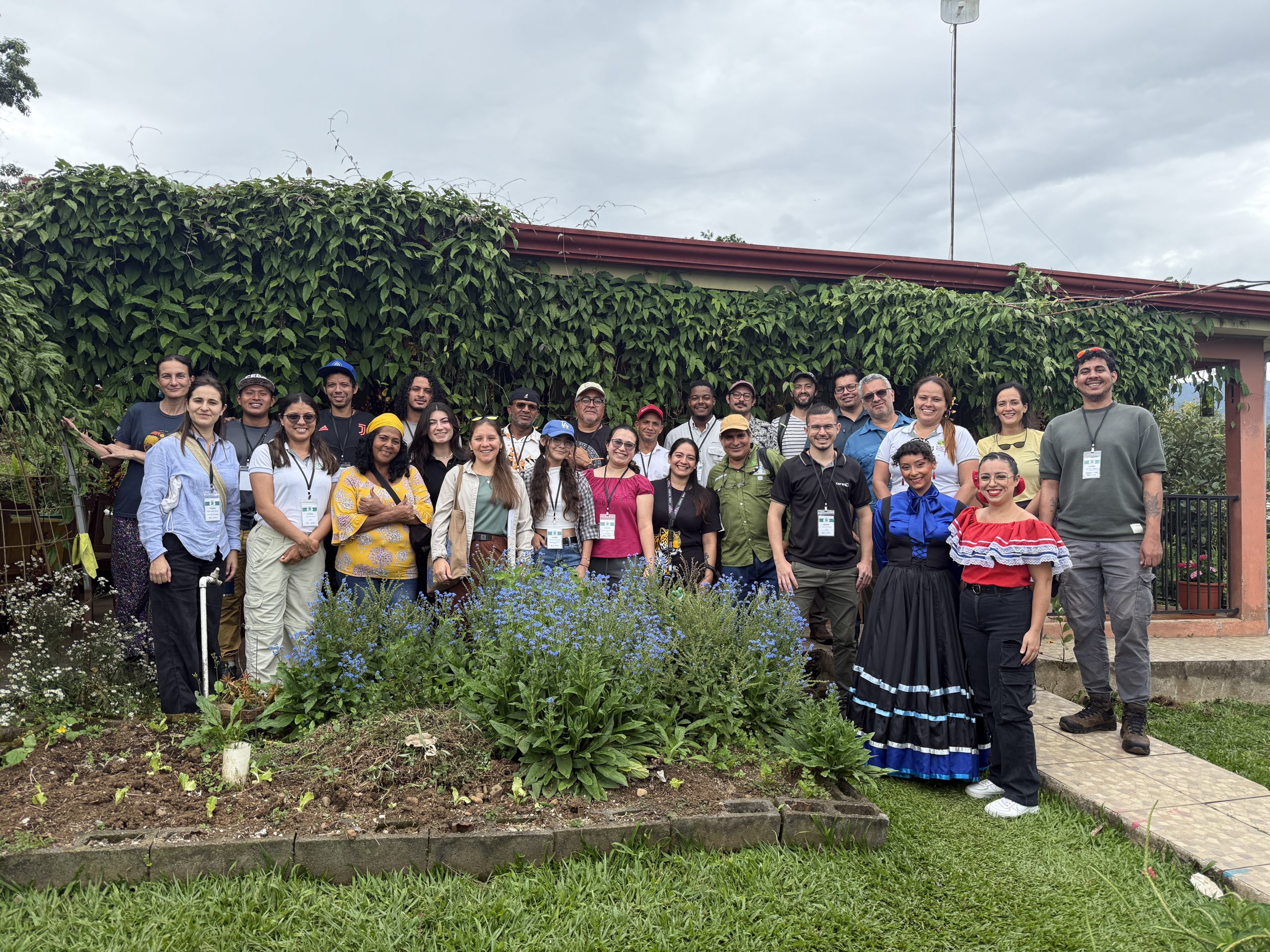
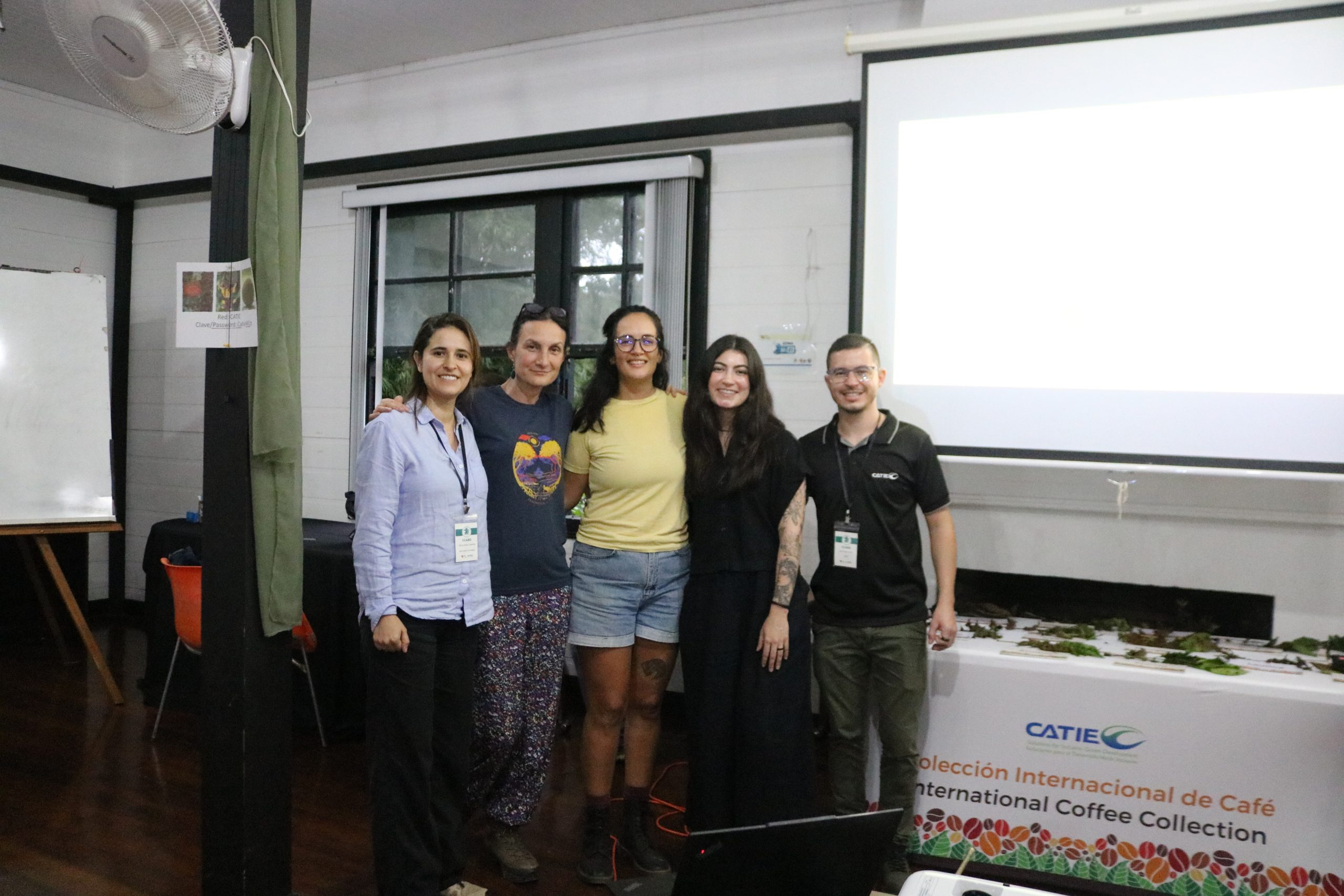
In September, I had the opportunity to represent VBG at a BCGI workshop held at the Tropical Agricultural Research and Higher Education Center (CATIE) in Turrialba, Costa Rica. The event, “Propagation Protocols for Threatened Trees,” was attended by representatives from ten countries, including three other Mexican institutions dedicated to conservation like ourselves: the Clavijero Botanical Garden, the Zongolica Technological Institute, and the Plantas de Aquí community cooperative.
The workshop was held at CATIE’s Dr. Jorge León Arguedas Botanical Garden, home to a valuable collection of tropical species, many of which are vital for pollinators and forest restoration. Attendees learned from each other’s experiences propagating threatened species, from seed collection and management to viability testing and protocol establishment. It was inspiring to meet people from so many different organizations that, like us, are on a mission to safeguard the native vegetation of their regions.
One of the main objectives of the workshop was to facilitate, in the coming months, each participating institution’s ability to develop a propagation protocol for a threatened tree species in their area, with the aim of strengthening its conservation at the local level. At VBG we are currently doing this work on the Quercus cualensis, a species of rare oak tree, and the Magnolia vallartensis, a species of rare magnolia that is also the official flower of Puerto Vallarta.
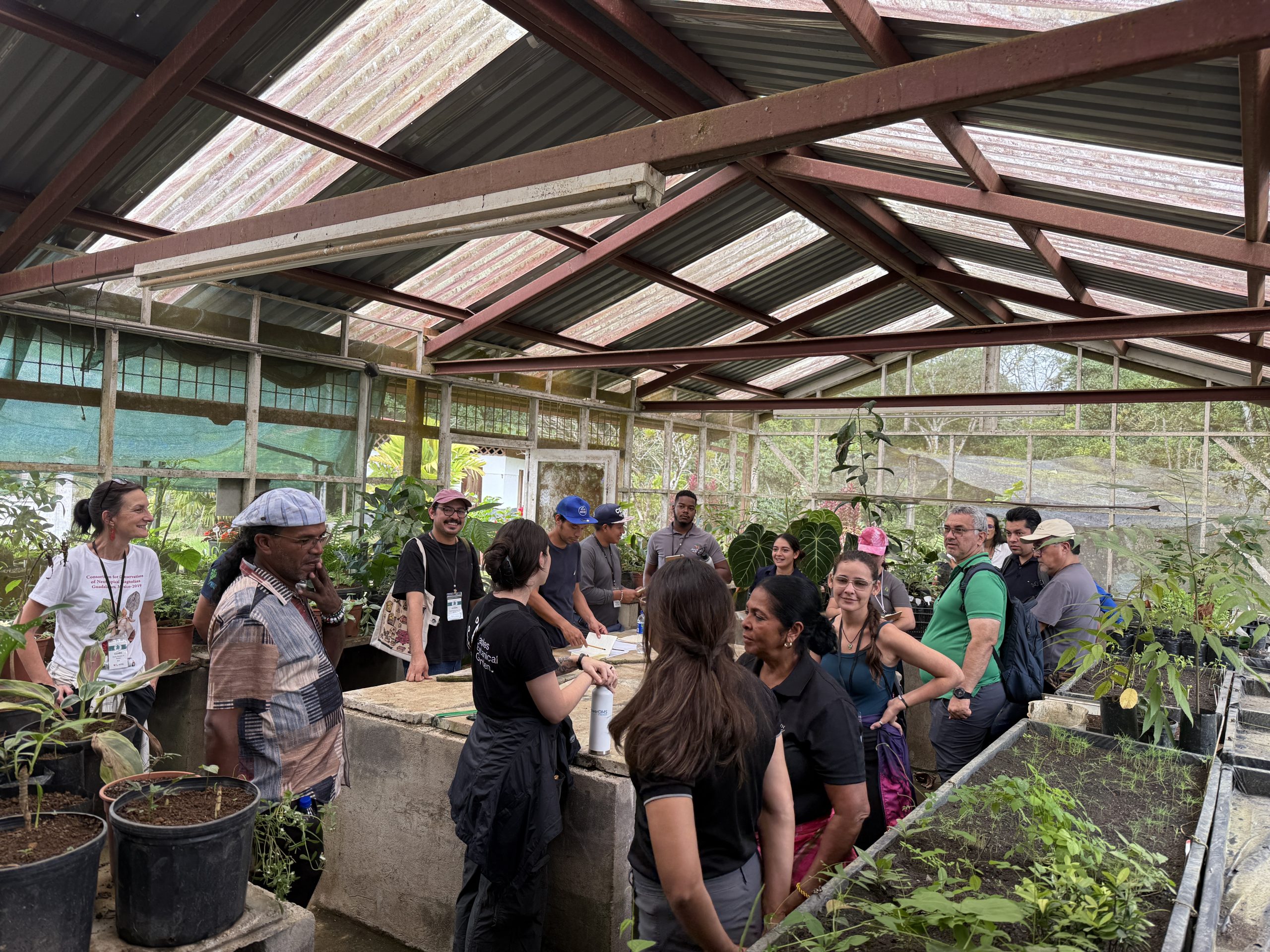
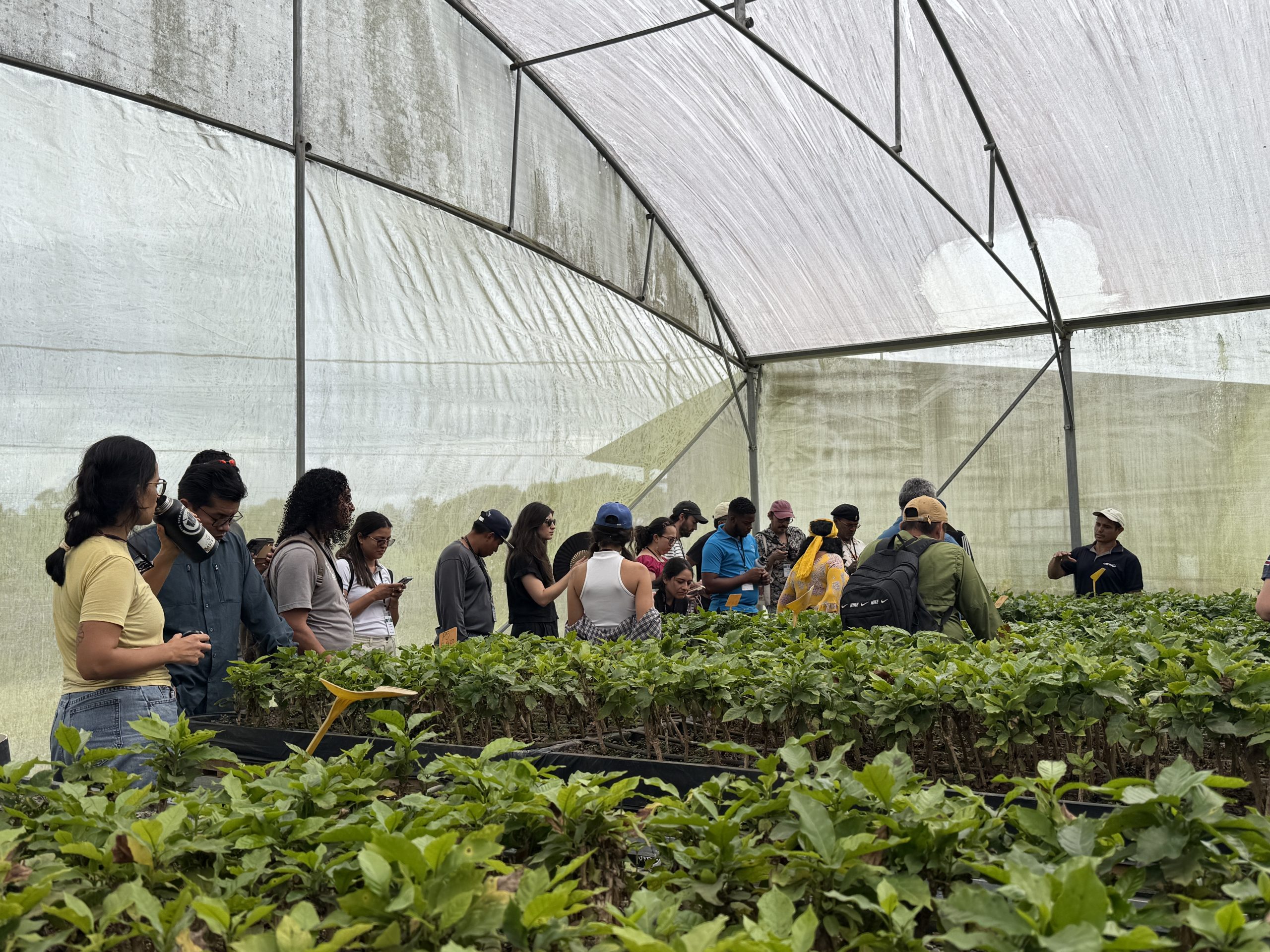
While in Costa Rica, we visited CATIE’s Seed Bank for a guided tour of their seed production gardens and germination laboratories. We observed drying techniques and storage chambers and learned how to register propagation batches.
We also learned about some Costa Rican chocolate and coffee production projects that integrating research and sustainability goals with local traditions. CATIE boasts the second largest collection of chocolate varieties in the world. We were fortunate enough to tour it and receive a practical lesson from one of the grafting production managers. Propagation methods developed in the Seed Bank are being used to improve varietals of these key crops, while CATIE’s laboratories are conducting fundamental research into combating a mildew, Moniliophthora roreri, which acts as a pathogenic fungus affecting these crops at any stage of development and can cause losses of up to 100% of a harvest.
Finally, we visited the El Guayabo National Monument, an archaeological site preserving Costa Rica’s ancestral memory. Our guide and her mother shared stories and legends about the area, where the stone structures and carvings evoke the deep relationship between culture and nature. The architecture of the site reflects the respect that biodiversity has long been shown by the whole country and its people. Long live the culture of Costa Rica!
The experience of sharing my love for plants with an international group of colleagues and collaborating with organization on a shared mission of protecting the many wonderful plant species of our natural world is simply indescribable. Curiosity, excitement, and hope were reflected on every face throughout the event.
I would like to take this opportunity to thank all the participants – I feel ever closer to realizing the vision of the world I hope to see enjoyed by future generations. My gratitude also goes to BGCI, the workshop organizers, and our hosts at CATIE for making this exchange possible and for working tirelessly to promote the protection and conservation of our ecosystems.
In closing, I’ll share with you the BGCI Propagation Protocols Manual (English) used during the workshop as well as a Technical Guide to Native Forest Species for Forest Landscape Restoration in Guatemala (Spanish). Download them for free at the following links:
https://www.bgci.org/wp/wp-content/uploads/2024/05/Propagation-Manual-2024-Full-Booklet.pdf