

By: Oscar Castro Jauregui
The phytopathogenic fungi are those that parasitize plants and make them sick. They can affect different structures of the plant, deforming or even killing them.
They have a significant impact on humans, especially when they parasitize crops that are essential to us, such as corn, sorghum, wheat, rice, potatoes, and tomatoes. They can cause a partial or complete loss of the contaminated crops. Plants that are contaminated with phytopathogenic fungi must not be consumed, because some of the toxins that they produce are toxic to humans.
Pesticides and fungicides are used to control the growth of phytopathogenic fungi and are applied directly to infected plants. However, this has some negative side effects, as the phytopathogenic fungi become resistant to these agrochemicals. Additionally, they can contaminate the soil and water, and are toxic to humans and wildlife in general.
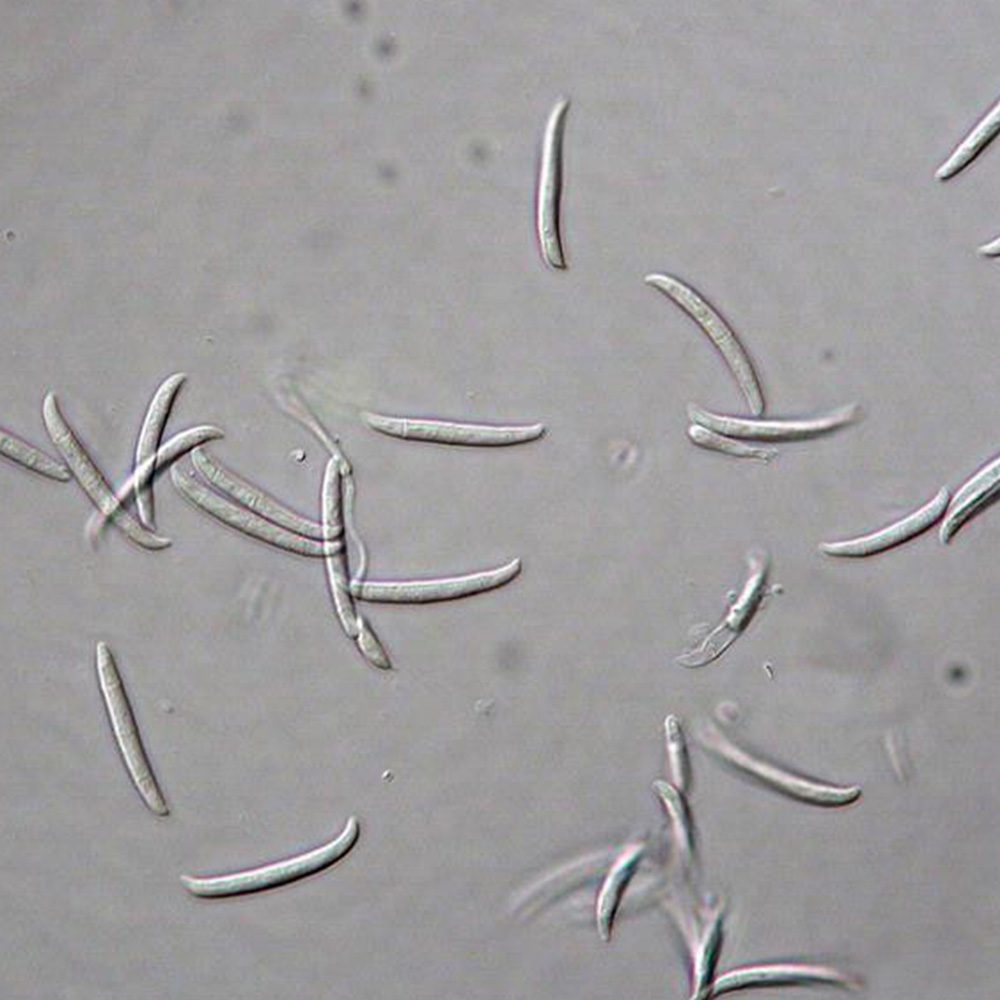
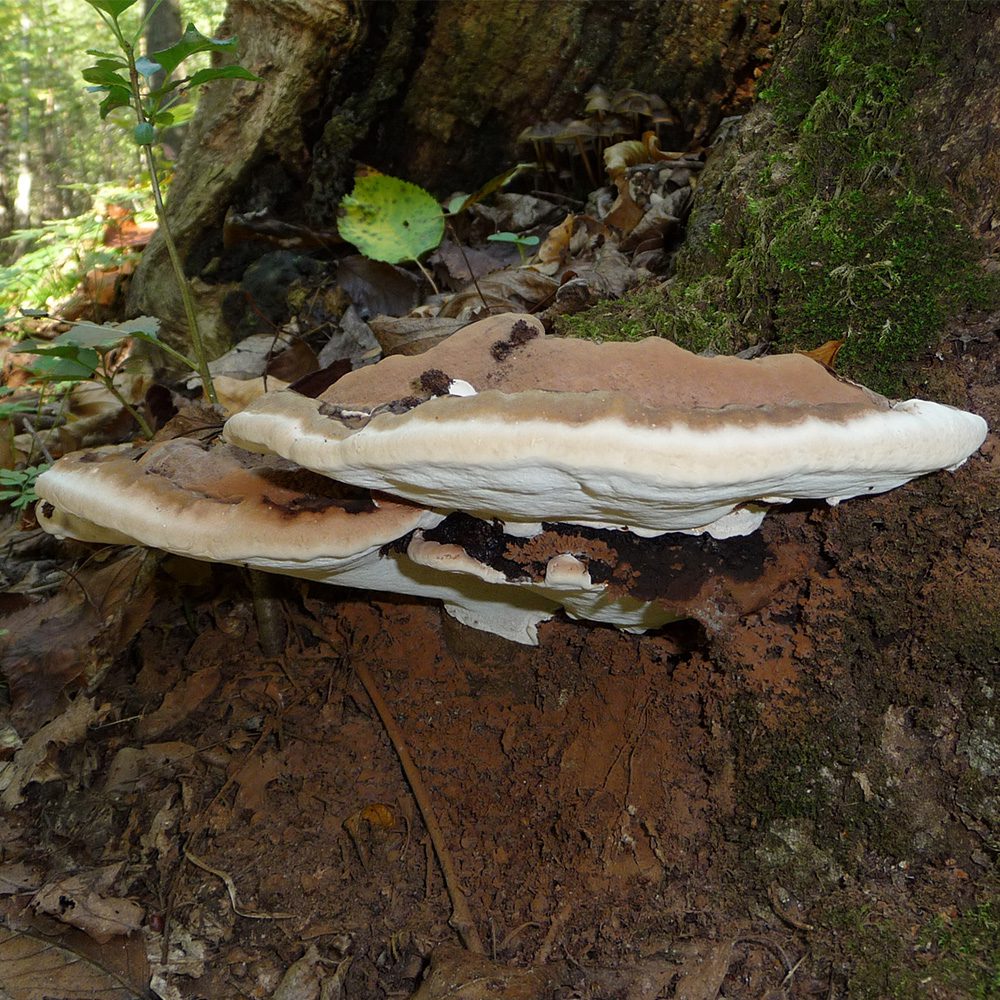
Most phytopathogenic fungi are microscopic, while a few are macroscopic. Some examples of fungus genera known for being phytopathogenic species are Fusarium, Alternaria, Trichoderma, and Ganoderma (Figures 1 and 2).
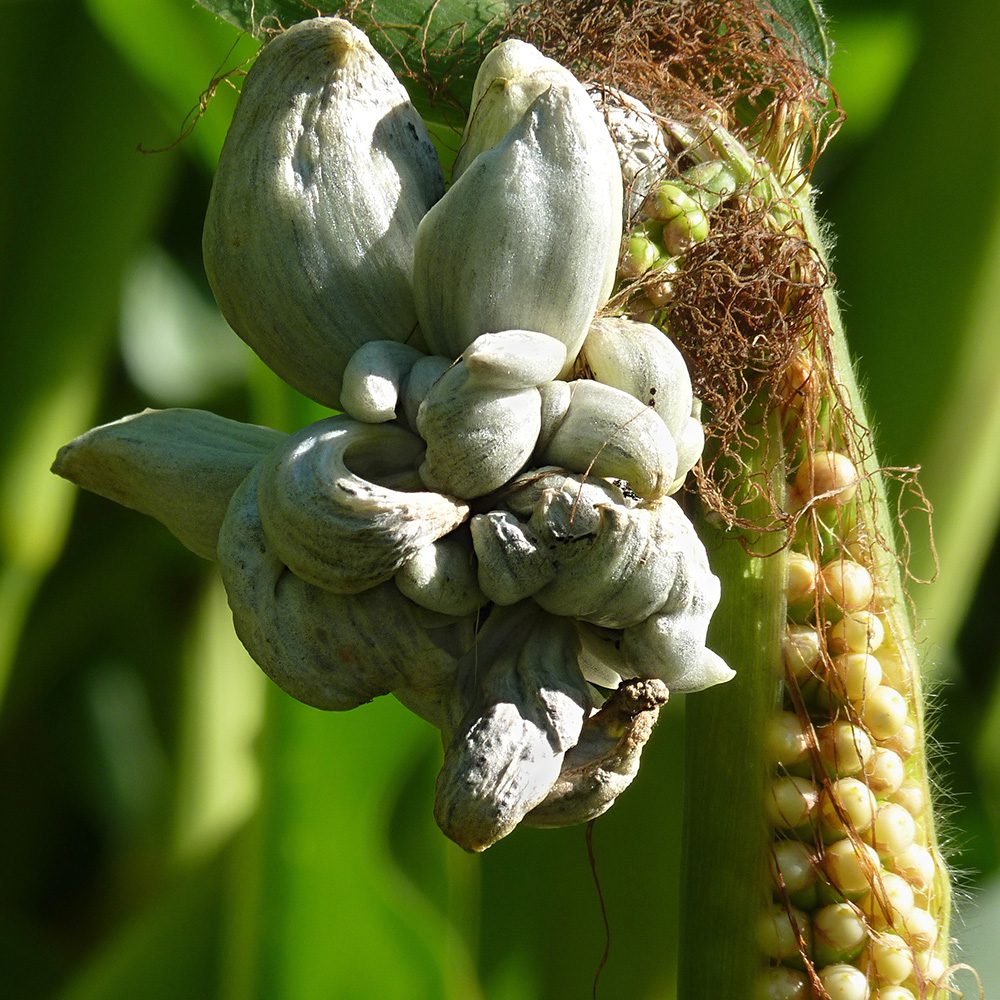
Ustilago maydis, known as “huitlacoche” or “cuitlacoche” (Figure 3), is one of the most recognizable phytopathogenic fungi known in Mexico. It grows on corn and deforms it. Although it may not be visually appealing, it has a lovely taste, so people consider it a delicacy and consume it in various ways; its presence is viewed as something positive in some regions. This fungus is also considered a model organism for study.
Although some phytopathogenic fungi have a negative impact on humans, they are crucial for nature because they regulate plant growth and help maintain a healthy ecosystem.
Figures:
Fig. 1. Fusarium solani, a plant pathogenic fungus that attacks different types of plants and some animals. Photo by Fred Brooks of the University of Hawaii at Manoa, taken from Wikimedia Commons.
Fig. 2. Ganoderma, a macroscopic fungal genus of phytopathogenic fungi that attacks different types of trees. Photo by George Chernilevsky, taken from Wikimedia Commons.
Fig. 3. Ustilago maydis “huitlacoche”, an edible phytopathogenic fungus. Photo by user Jamain, taken from Wikimedia Commons.