

jardín bótanico teléfono
Vallarta Botanical Garden — 2022 Garden of Excellence Award — American Public Garden Association

Platystele stenostachya: The Tiny Orchid That Challenges the Eye

By: Oscar Rodriguez Ramos

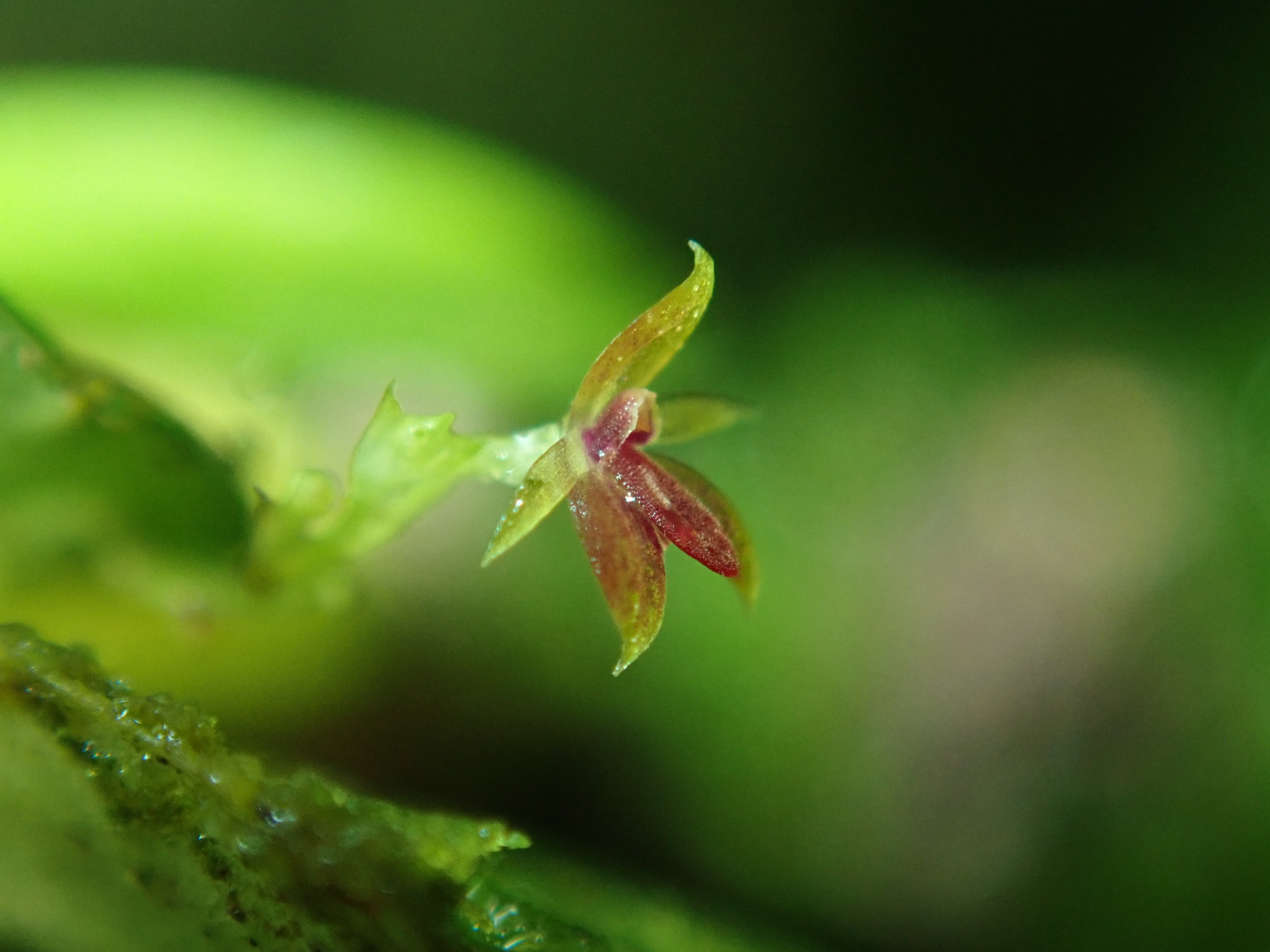
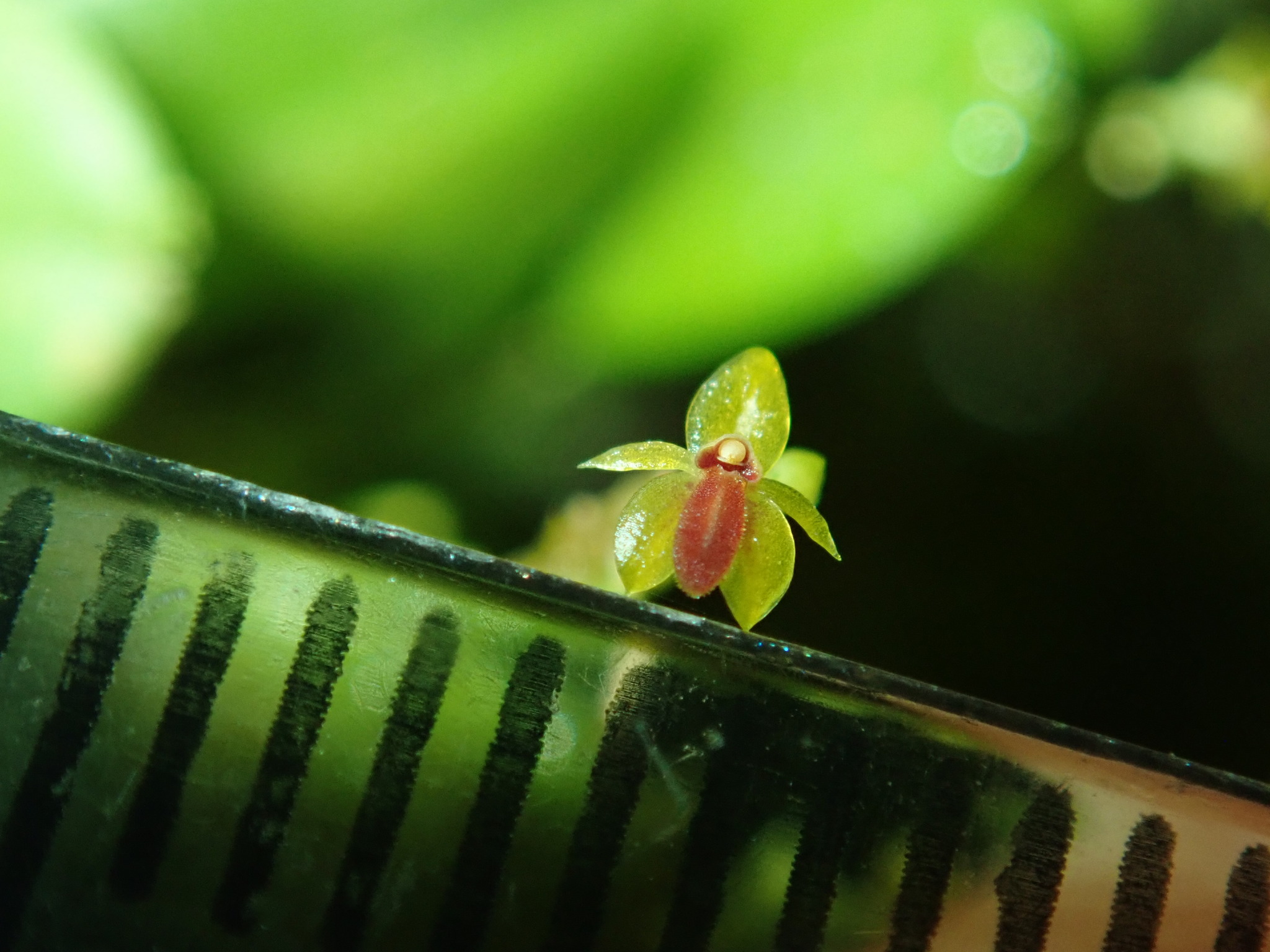
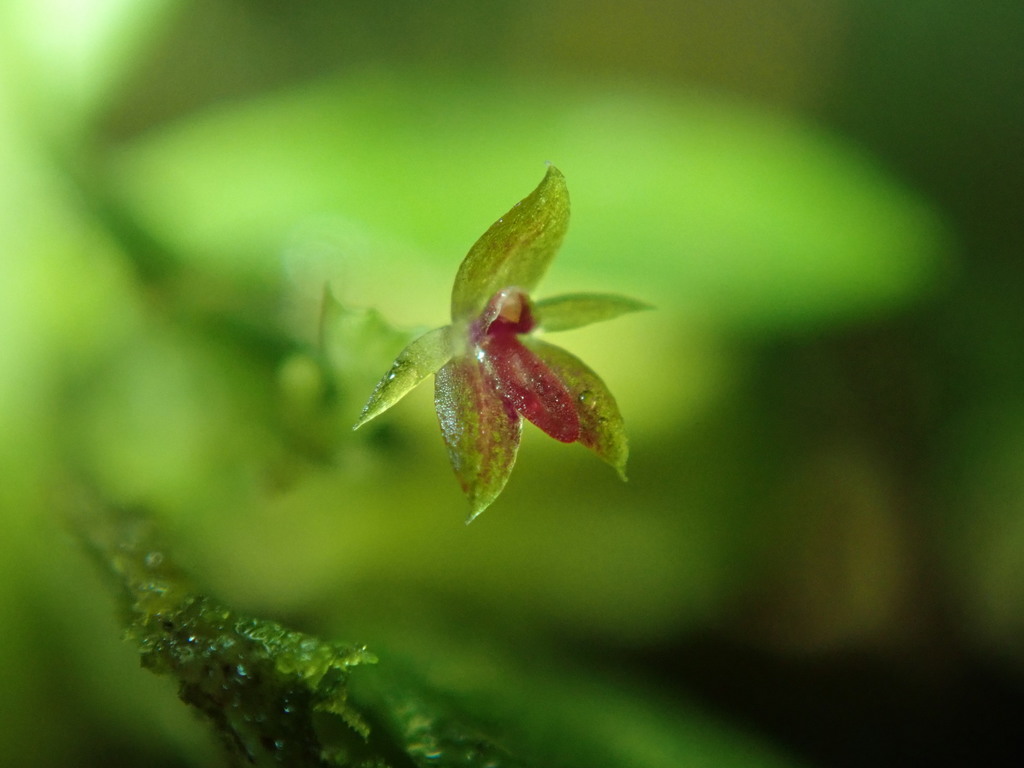
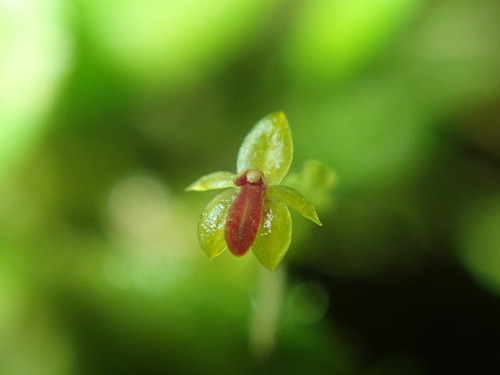
Platystele stenostachya is a miniature orchid that bears one of the smallest flowers in the plant kingdom, making it a true gem within the world of Mexican orchids.

This species is native to Mexico’s cloud forests, where it grows in the states of Veracruz, Puebla, Chiapas, and Oaxaca. Although its size may seem modest, don’t be deceived: Platystele stenostachya is a small orchid with a remarkably wide distribution. It can be found from Mexico all the way to various regions of South America.

To fully appreciate it, you’ll need sharp eyesight — or at least a camera with good magnification — as its flowers measure just 3 millimeters in diameter. Its minute scale makes it a beauty that is difficult to observe with the naked eye.

Because of its nearly invisible size, many visitors overlook it. Only the most attentive observers discover this hidden botanical treasure.

On your next visit to the Mexican Orchid Conservatory, put your eyesight to the test and discover Platystele stenostachya, a small wonder that proves biodiversity is not always grand… but it is always extraordinary.

Share:

Facebook
LinkedIn
Email

Social Media

Most Popular

Get The Latest Updates

Subscribe Our Newsletter

No spam, notifications only about new products, updates.
Garden News

Related Posts

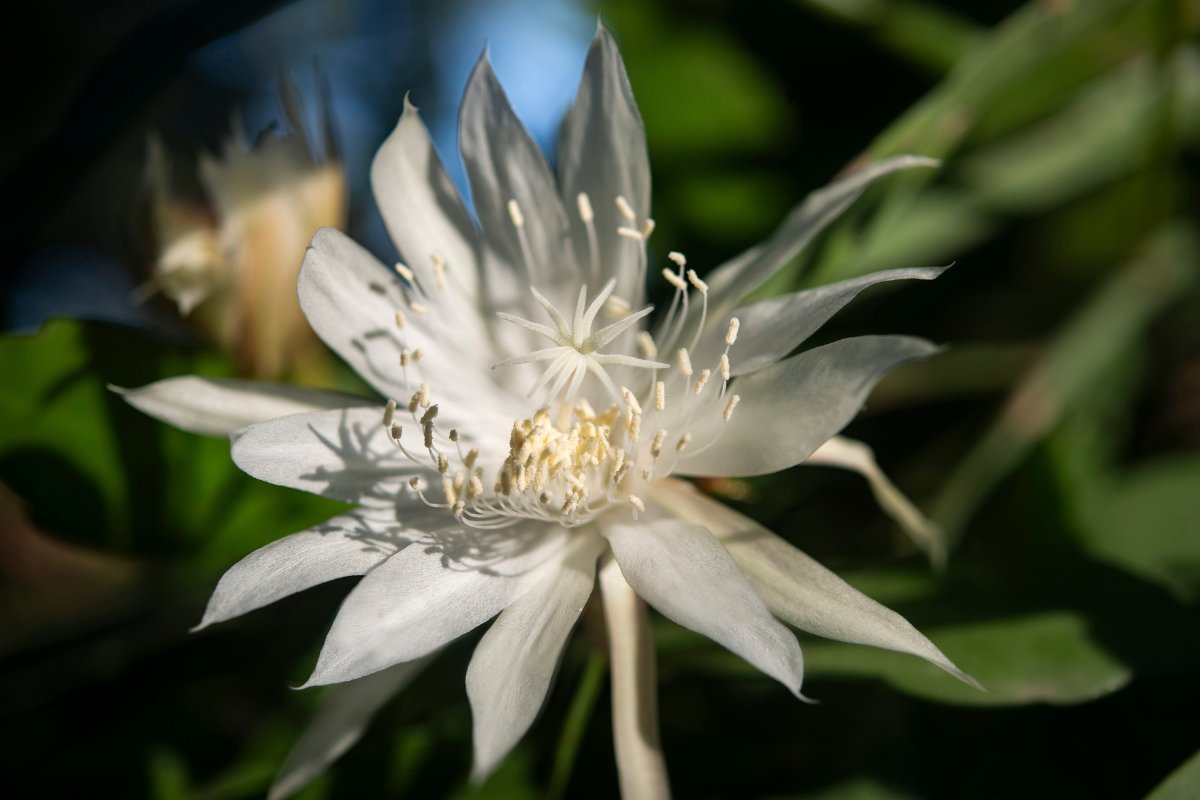
Epiphyllum oxypetalum: The Queen of the Night

Epiphyllum oxypetalum, commonly known as the Queen of the Night or night-blooming cereus, is one of the most fascinating flowering plants found in tropical regions. This epiphytic cactus is famous for its large, fragrant white flowers that open only at night and last for just a few hours. Native to

Read More »

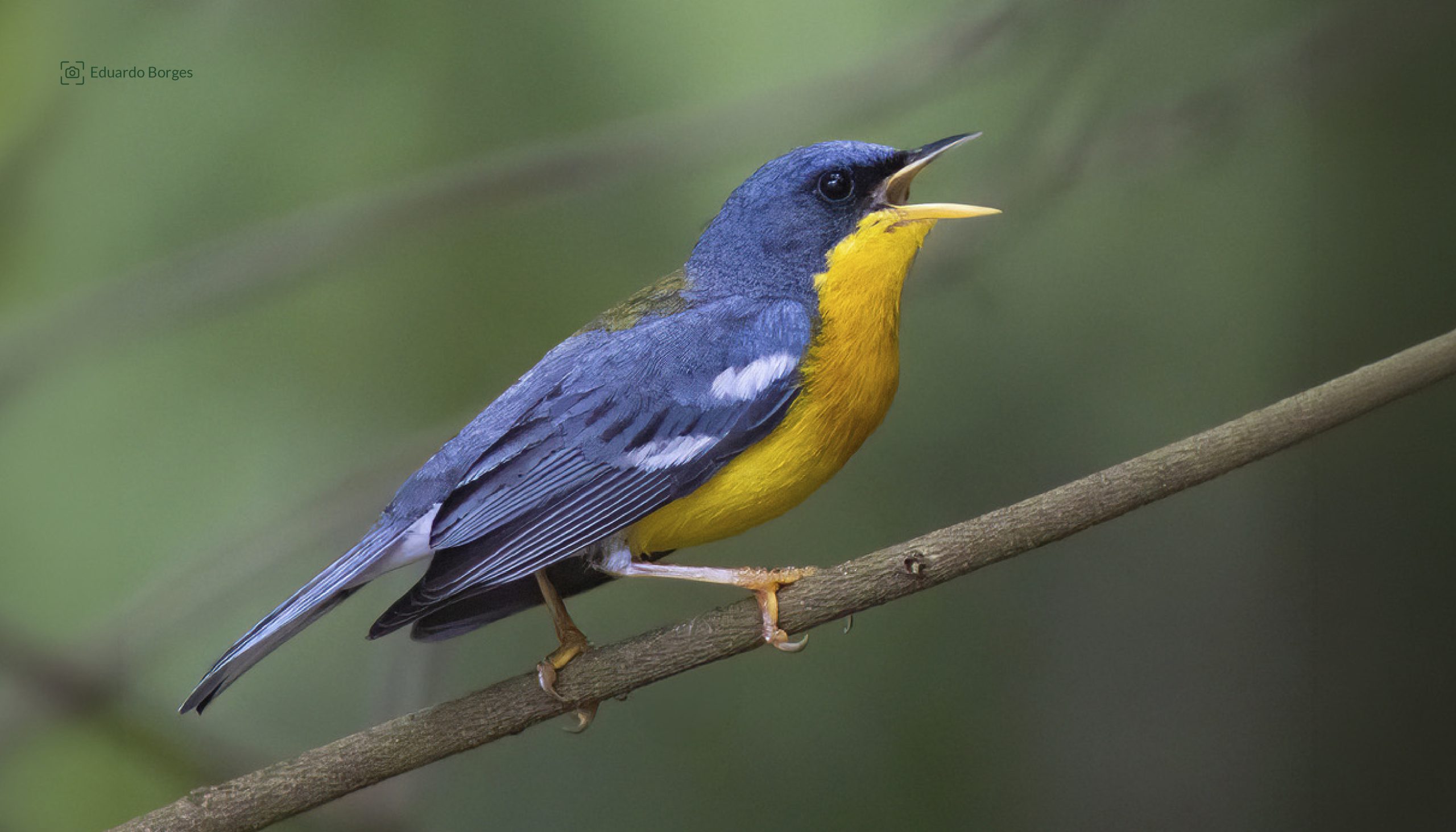
Mexican Bird of the Month: Tropical Parula

Setophaga pitiayumi Among the many bird species inhabiting the tropical forests of Mexico, the Tropical Parula (Setophaga pitiayumi) stands out for its small size, lively song, and striking coloration. Although it often moves quietly among the branches, its contrasting plumage makes it recognizable to attentive observers. The upperparts of the

Read More »