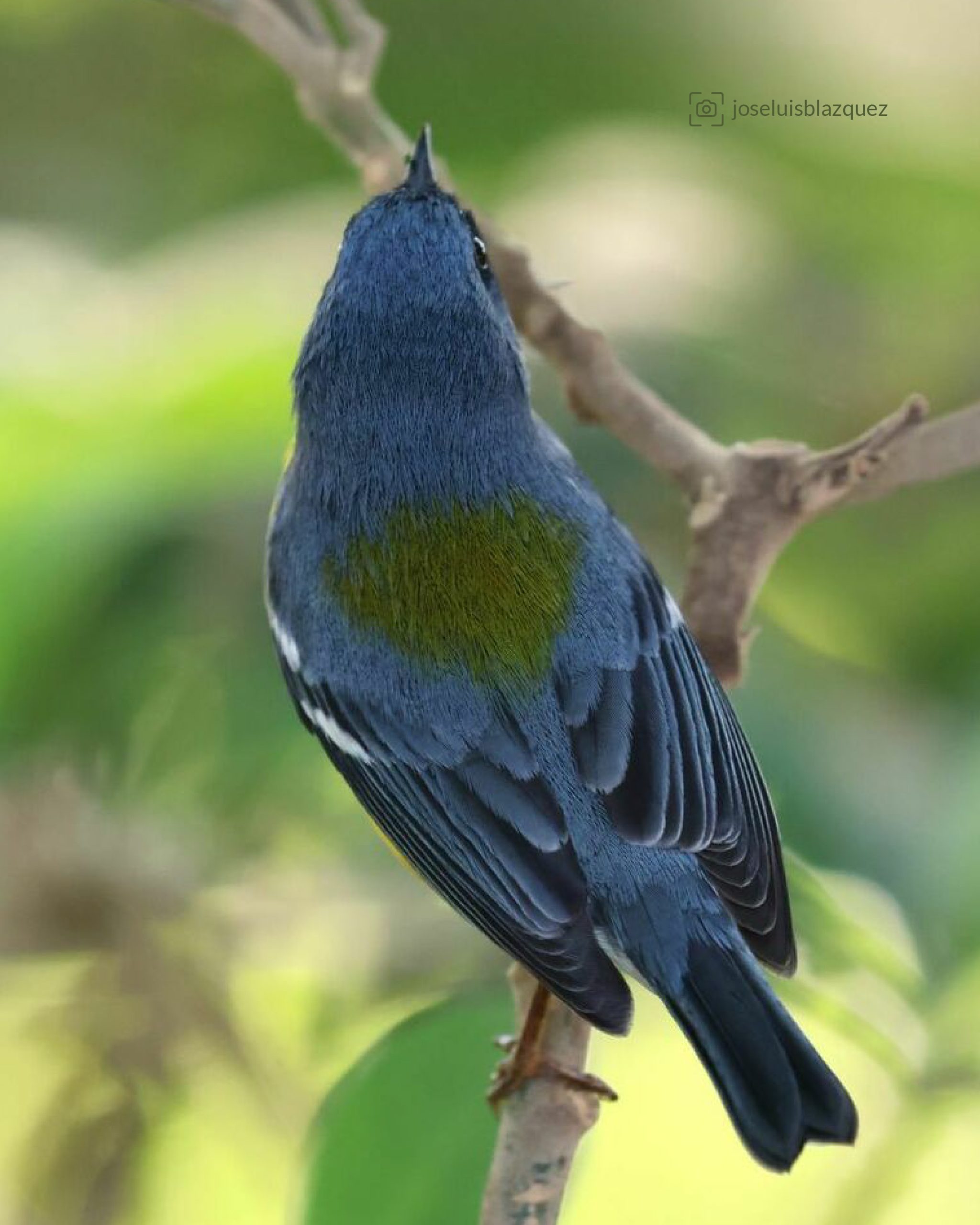


Setophaga pitiayumi
Among the many bird species inhabiting the tropical forests of Mexico, the Tropical Parula (Setophaga pitiayumi) stands out for its small size, lively song, and striking coloration. Although it often moves quietly among the branches, its contrasting plumage makes it recognizable to attentive observers.
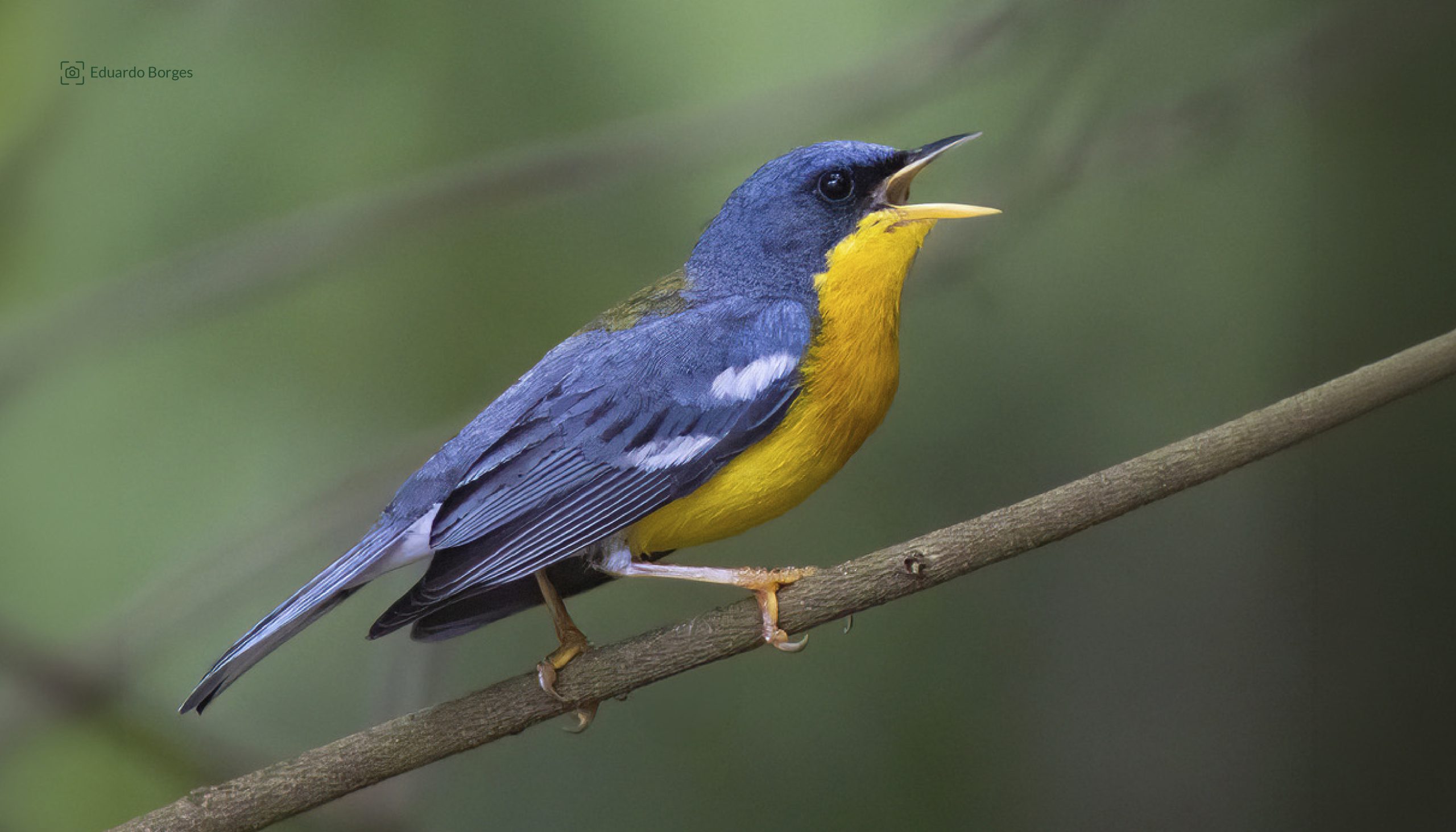
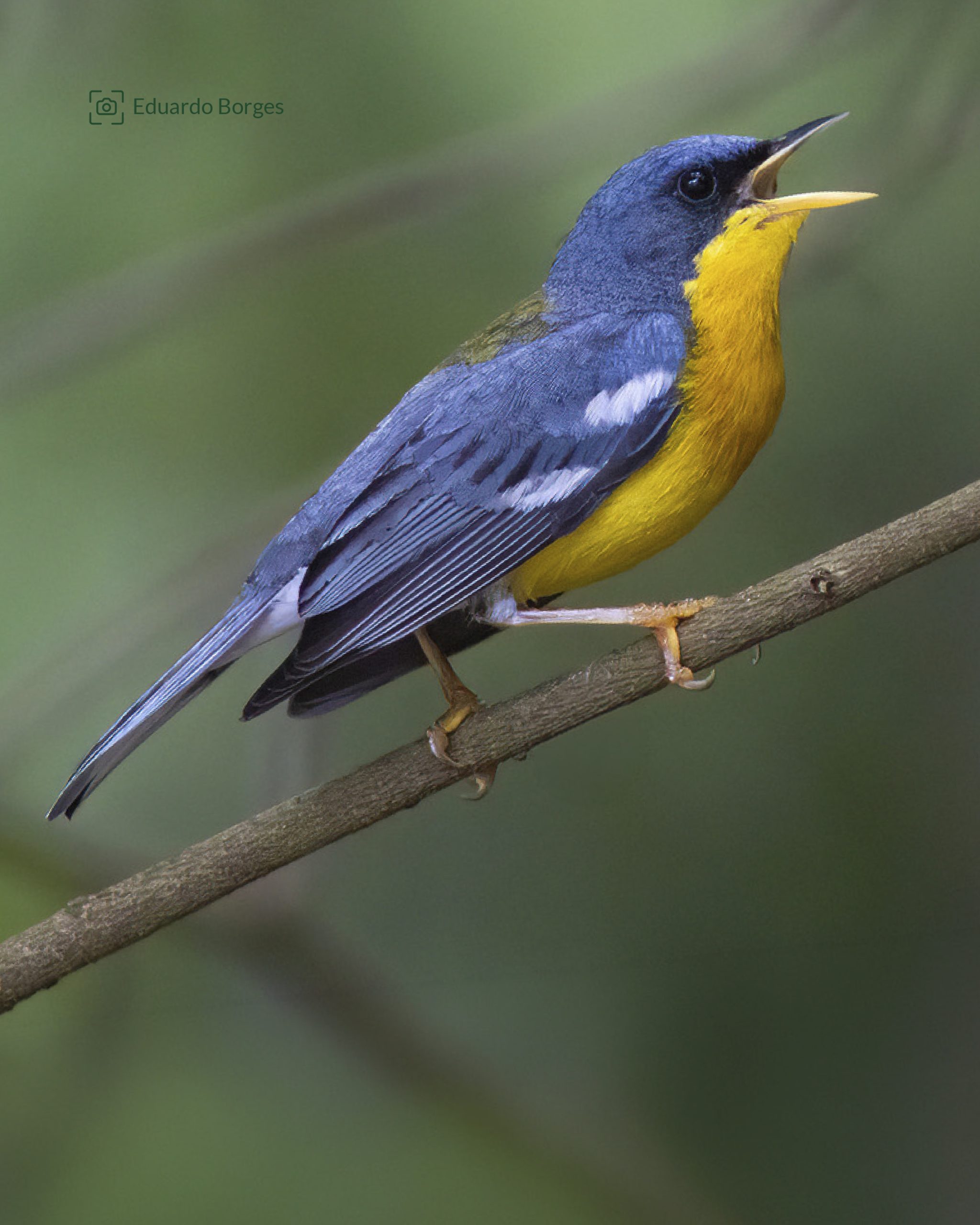
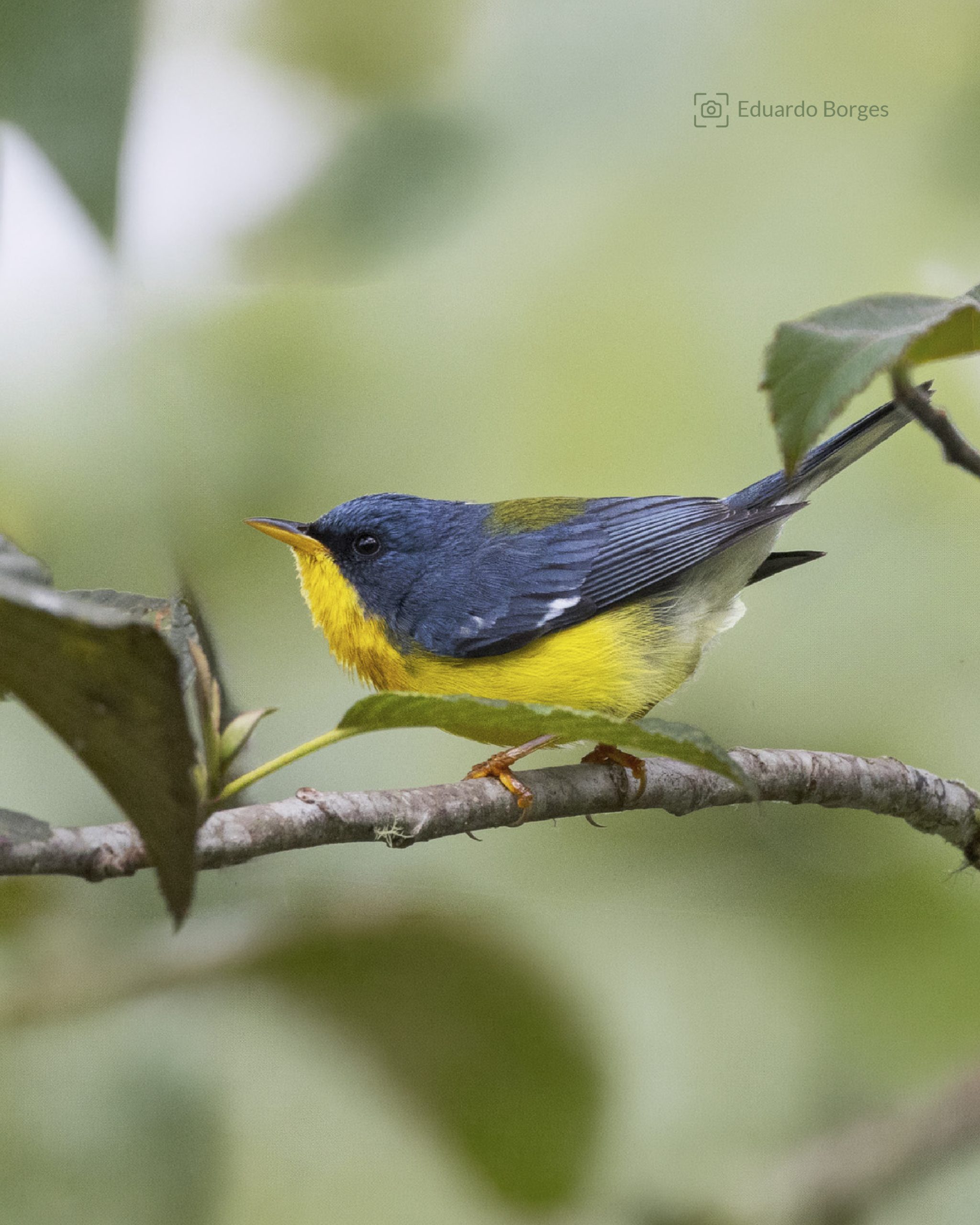
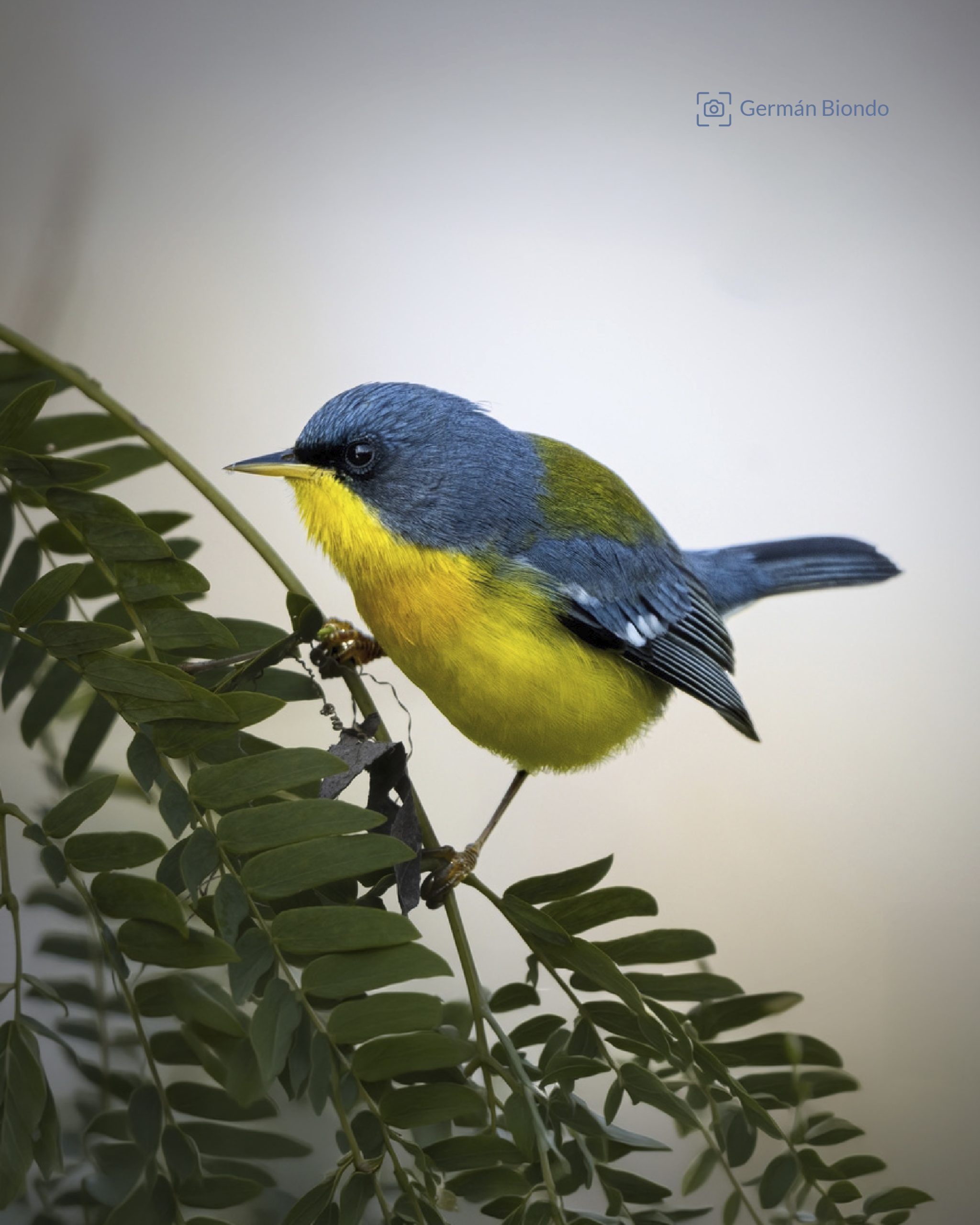
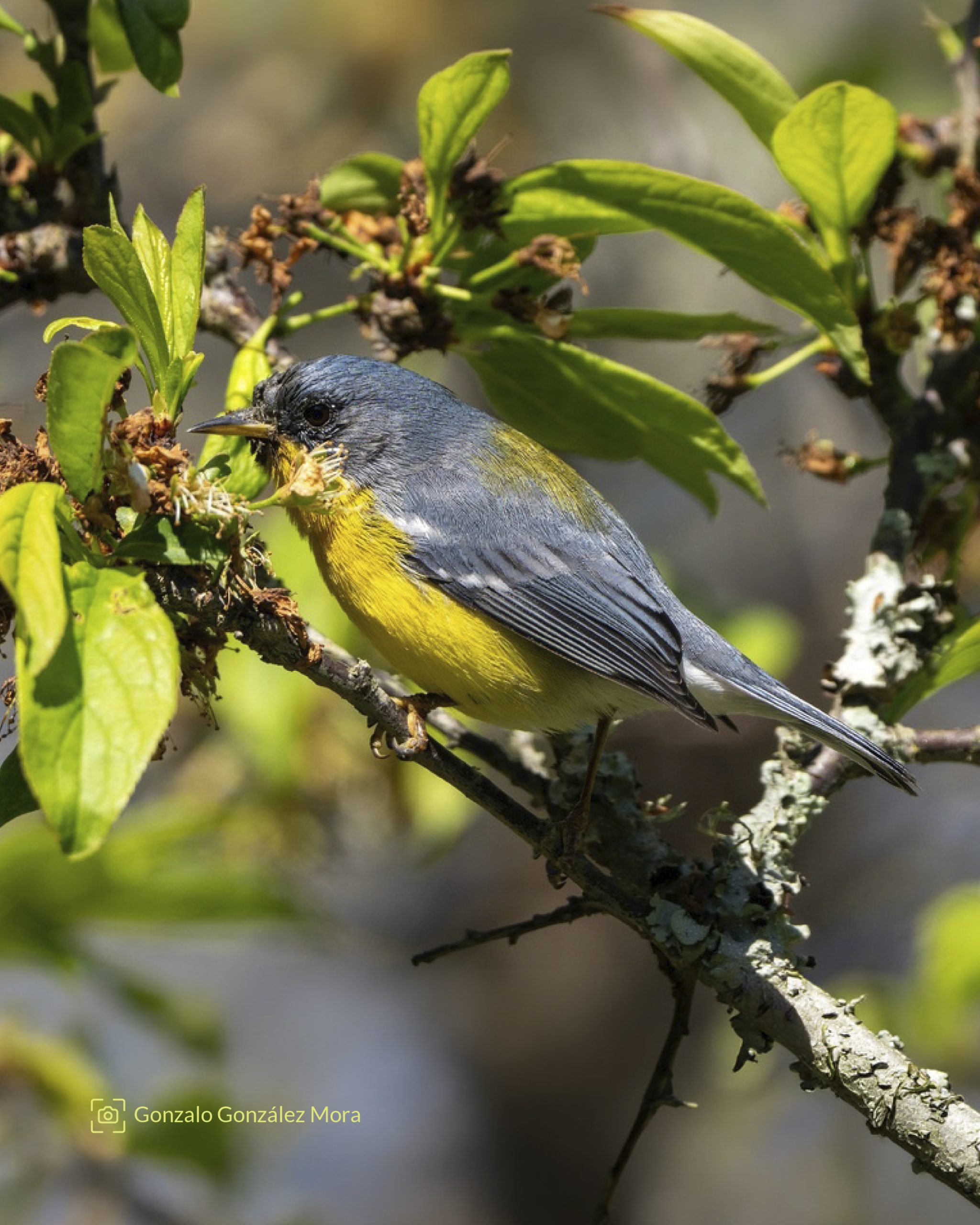
The upperparts of the Tropical Parula display a bluish-gray tone, complemented by a greenish back that blends with the surrounding vegetation. Its wings show two distinct white wing bars, while the throat and chest display a bright yellow-orange coloration that stands out vividly among the foliage.
Males typically have a darker face and a brighter yellow-orange chest, while females show slightly softer tones. Its bill is slender and pointed—black on the upper mandible and yellowish below—an adaptation that allows it to capture small insects among leaves and branches.
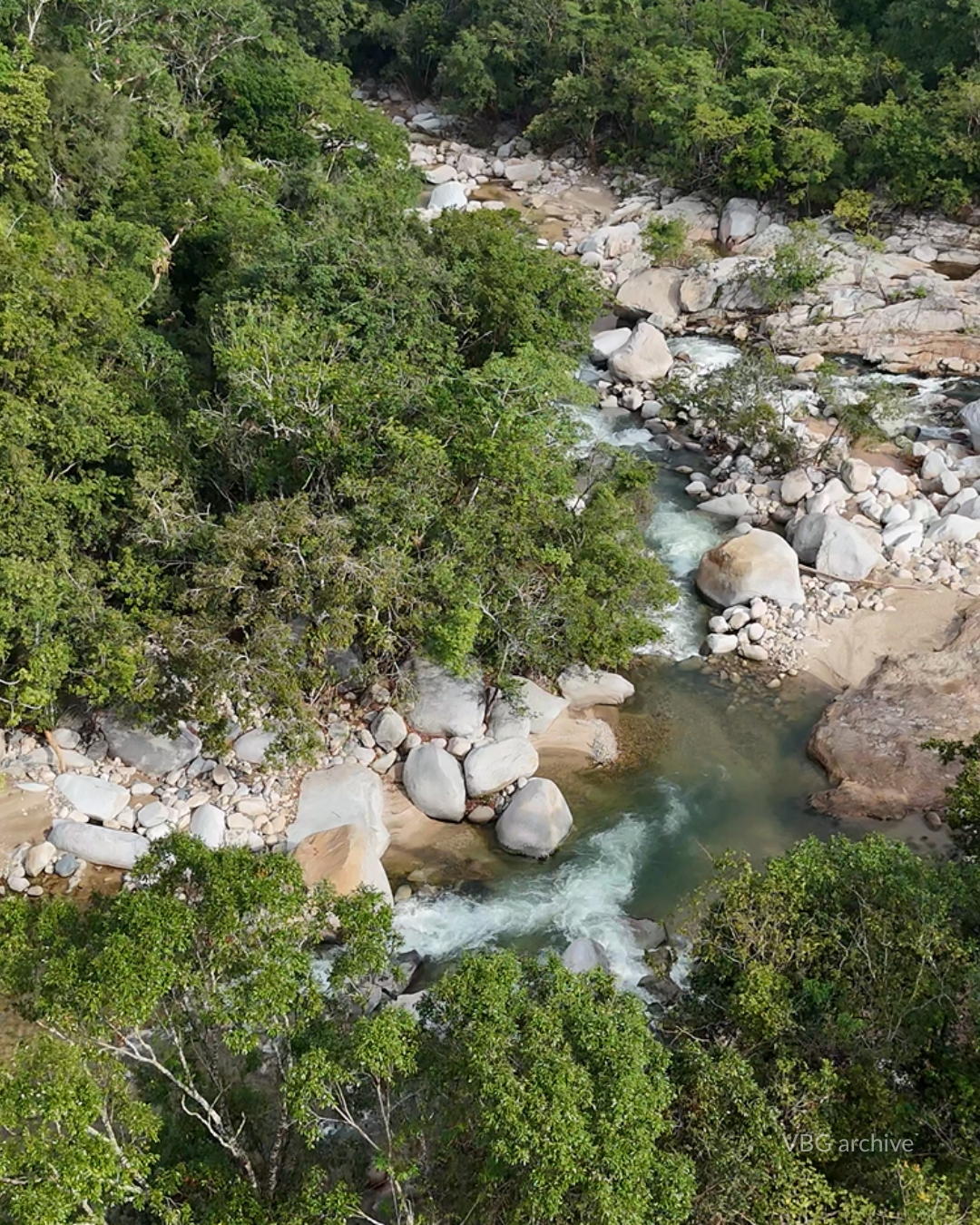
This species is widely distributed throughout Mexico, particularly in lowland forests with dense vegetation, where trees may reach up to 15 meters in height. It can also be found near lakes, lagoons, and other water bodies, whether freshwater or saline, and either permanent or seasonal.
The Tropical Parula may also inhabit grasslands and open areas with herbaceous vegetation, where bare soil is minimal and woody plants are scattered across the landscape.
Although relatively common in Mexico and much of Latin America, the species is rare in the United States, where it occurs mainly in mossy forests of southern Texas.
Small yet vibrant, the Tropical Parula is another reminder of the remarkable diversity of birds found in Mexico’s ecosystems. For birdwatchers and nature lovers, spotting this colorful songbird among the forest canopy is always a rewarding moment.