Rafael Guzmán Mejía
Distinguished Botanist of Western Mexico (October 24, 1950 – May 21, 2024)
75th Anniversary of His Birth
 Rafael Guzmán Mejía in a perennial teosinte (Zea diploperennis) plot. Image from the archive of Dr. Antonio Vázquez.
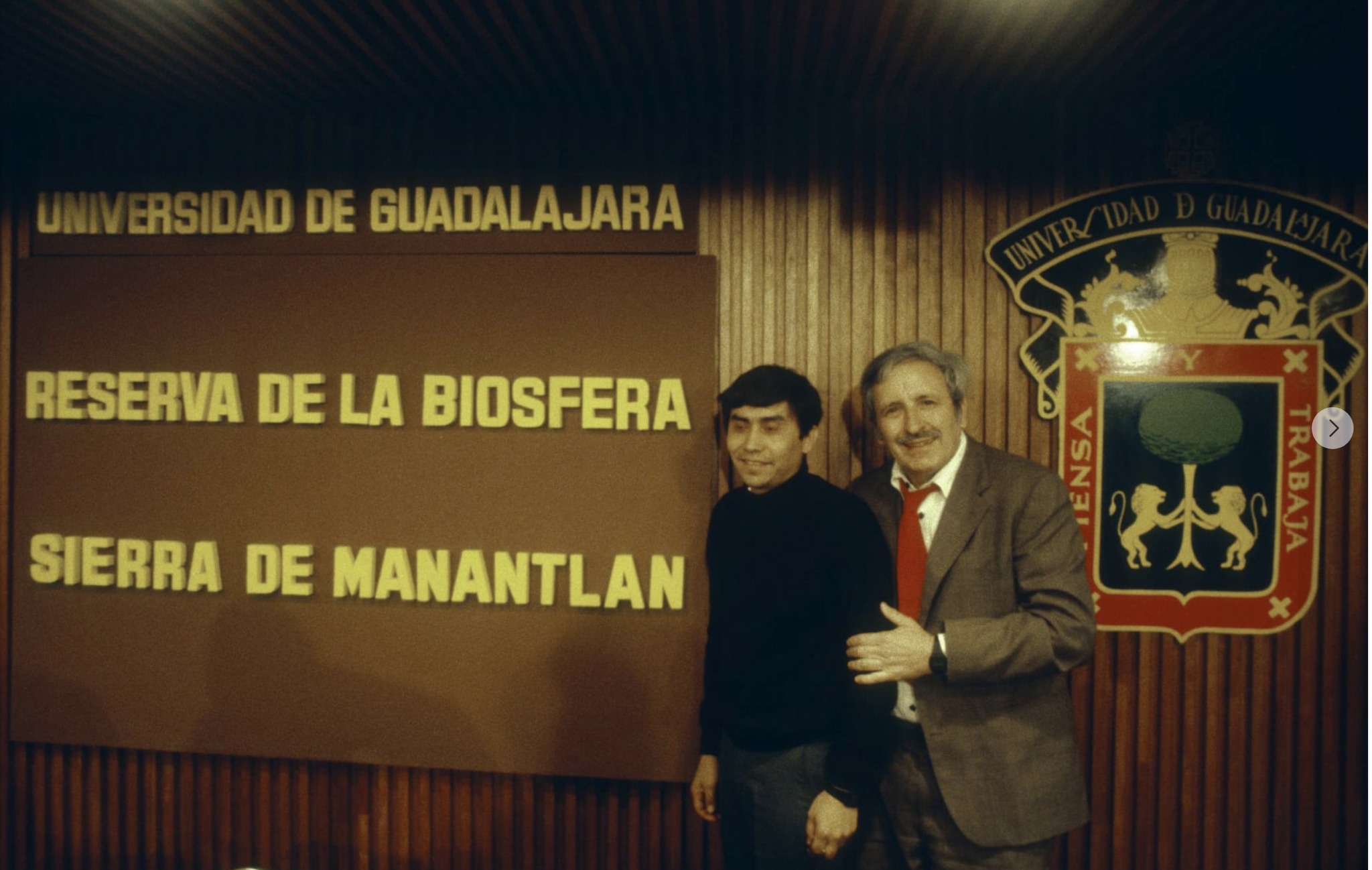 Rafael Guzmán Mejía and Hugh H. Iltis, authors of the discovery of the perennial teosinte Zea diploperennis. Image from the archive of Dr. Antonio Vázquez.
His name gained international recognition with the rediscovery of the teosinte Zea perennis, previously considered extinct (Guzmán, 1978a); the recording of Zea mexicana in Jalisco (Guzmán, 1978b); and the subsequent description of Zea diploperennis, published in the journal Science together with Hugh H. Iltis and other collaborators (Iltis et al., 1979). This species was identified as the oldest living ancestor of maize—one of the most significant botanical discoveries of the 20th century in Mexico.
Guzmán was the founder of the Las Joyas Biological Station of the University of Guadalajara and played a key role in the creation of the Sierra de Manantlán Biosphere Reserve, decreed in 1987. His work advanced ecological research programs, developed educational materials, and led graduate studies in ecology and biodiversity conservation.
Throughout his career, together with his wife, Carmen Anaya, he turned his attention toward human ecology and cultural anthropology. Together, they dedicated years of study to the Wixárika people. He authored Cultura de maíz, peyote, venado (2007), a work that explores the relationship between nature and spirituality in Indigenous cosmology.
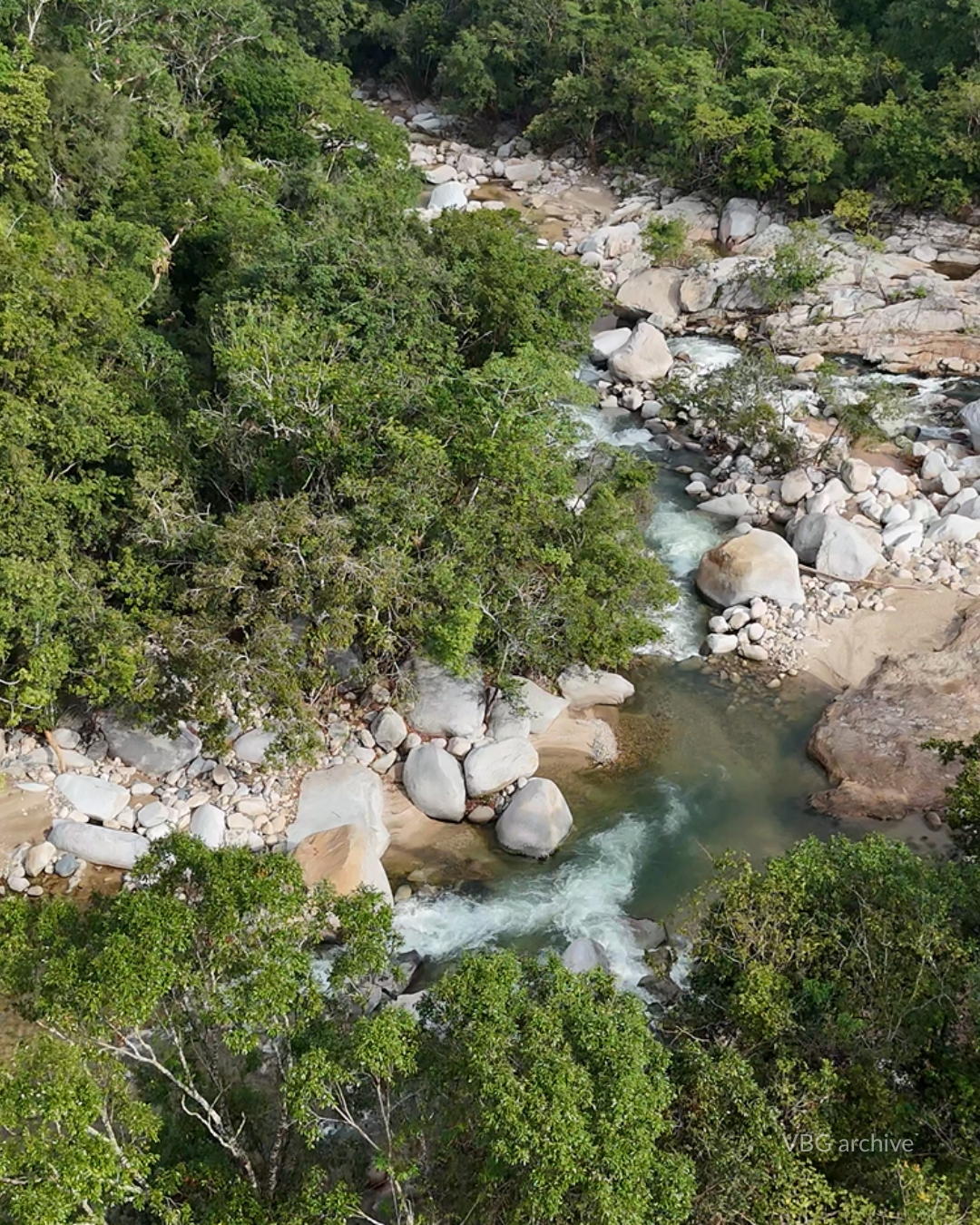
In the final stage of his life, already retired, he joined the Vallarta Botanical Garden, where he continued his environmental advocacy, leading opposition to the construction of a hydroelectric dam on the Los Horcones River and promoting its legal protection as a natural area.
A fundamental member of the Ecological Planning Committee for the Participatory Local Ecological Management Plan of the Municipality of Puerto Vallarta, Rafael Guzmán passed away on May 21, 2024, after a life devoted to knowledge, conservation, and a profound love for the land. Several plant species—and even an insect—now bear his name, honoring a scientist who could see in a single seed the story of an entire people.
His legacy of knowledge, love for the land, and commitment to conservation endures.
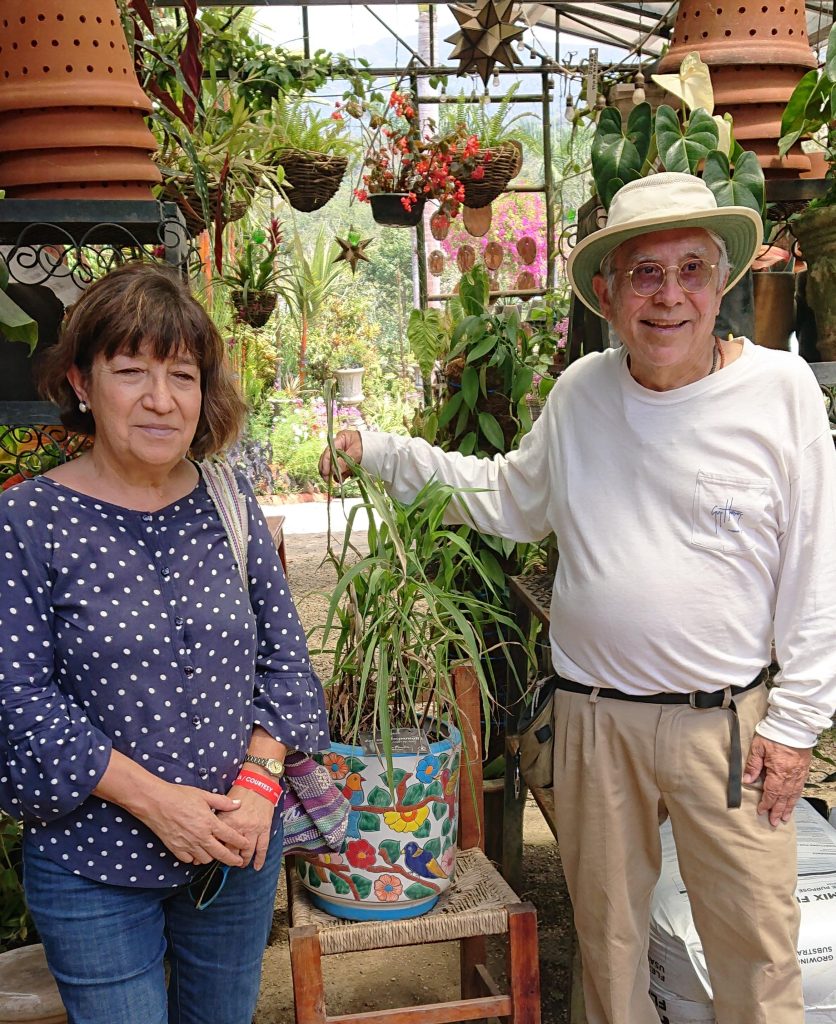
Professor Rafael Guzmán and his wife, Carmen Anaya, next to a Zea perennis teosinte plant at the Vallarta Botanical Garden.