By: Biol. Jesús Ángel Barajas
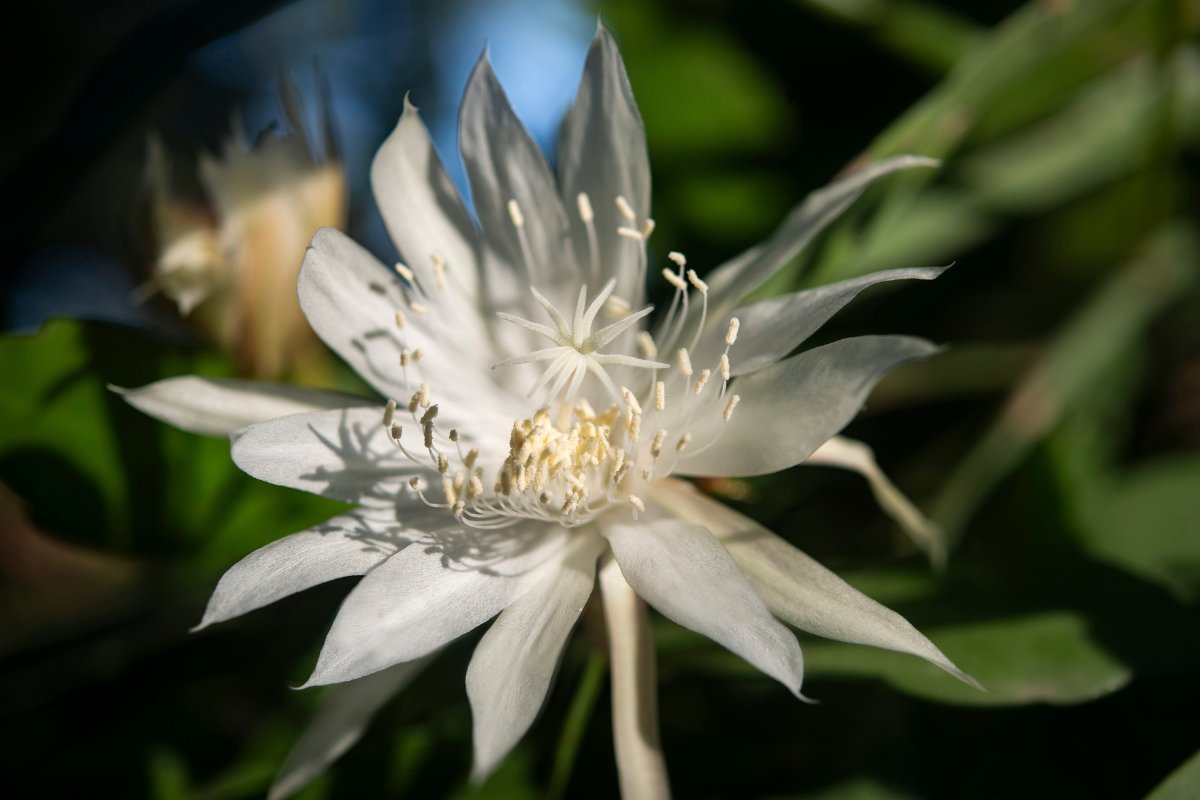
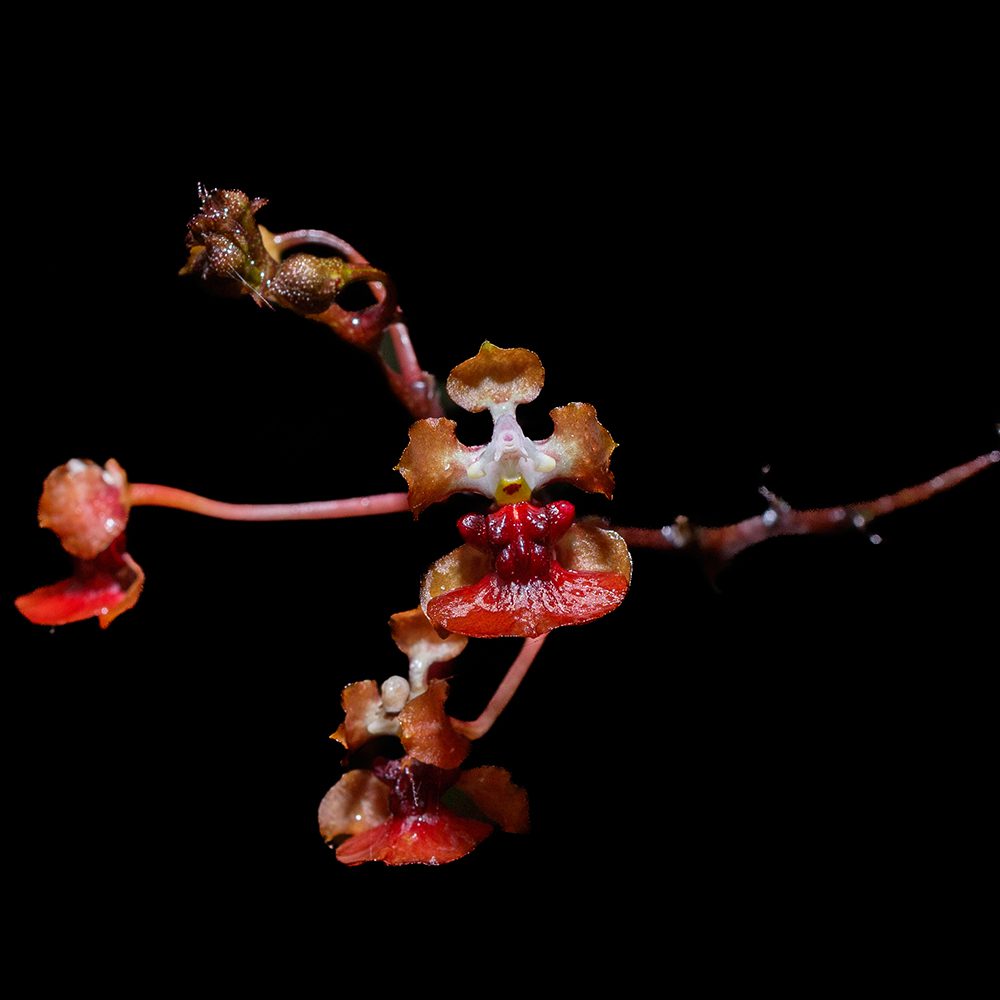
Native and endemic to the Pacific coast in the states of Jalisco, Michoacán, and Nayarit, the Trichocentrum oestlundianum thrives in mangroves, forested roads, and barren lava flows. It is one of the orchids commonly called “mule ears” because of the shape of its leaves.
The name Trichocentrum comes from the Greek trichos, meaning hair, and kentron, meaning spur, referring to the thin, nectarless spur found on some species of the genus. The etymology of oestlundianum is a fascinating story that connects botany, history, and a passion for orchids.
It was named in honor of Karl Erik Magnus Östlund (1875-1938), a Swedish chemical engineer who developed a deep affection for Mexican orchids. Östlund moved to Mexico as manager of the Ericsson company, but in 1928, he retired to devote himself entirely to the study of orchids.
His personal herbarium was considered one of the most important in Mexico, and, possibly, in all of Latin America at the time.
After he died in Cuernavaca, his collection was donated to the Oakes Ames Orchid Herbarium at Harvard, and duplicates were distributed to institutions such as the Smithsonian and the Missouri Botanical Garden.
Take advantage of this opportunity to see it at the Vallarta Botanical Garden because they only bloom between June and July!