


jardín bótanico teléfono
Vallarta Botanical Garden — 2022 Garden of Excellence Award — American Public Garden Association

Conservation of Birds of Prey in Banderas Bay

Por: Biól. M. en C. Selene A. Barba

Birds of prey are part of the second most trafficked family in the world, with many species in danger of extinction or in some category of risk. Their main threats are:

• Pesticide poisoning

• Illegal trafficking as trophies or pets

Firearm injuries due to fear or ignorance

Electrocutions, especially in urban areas

• Capture of young birds or destruction of nests

Up to 37 species of birds of prey have been recorded in Banderas Bay, both resident and migratory. Their presence varies throughout the year, depending on the species and its migratory behavior.

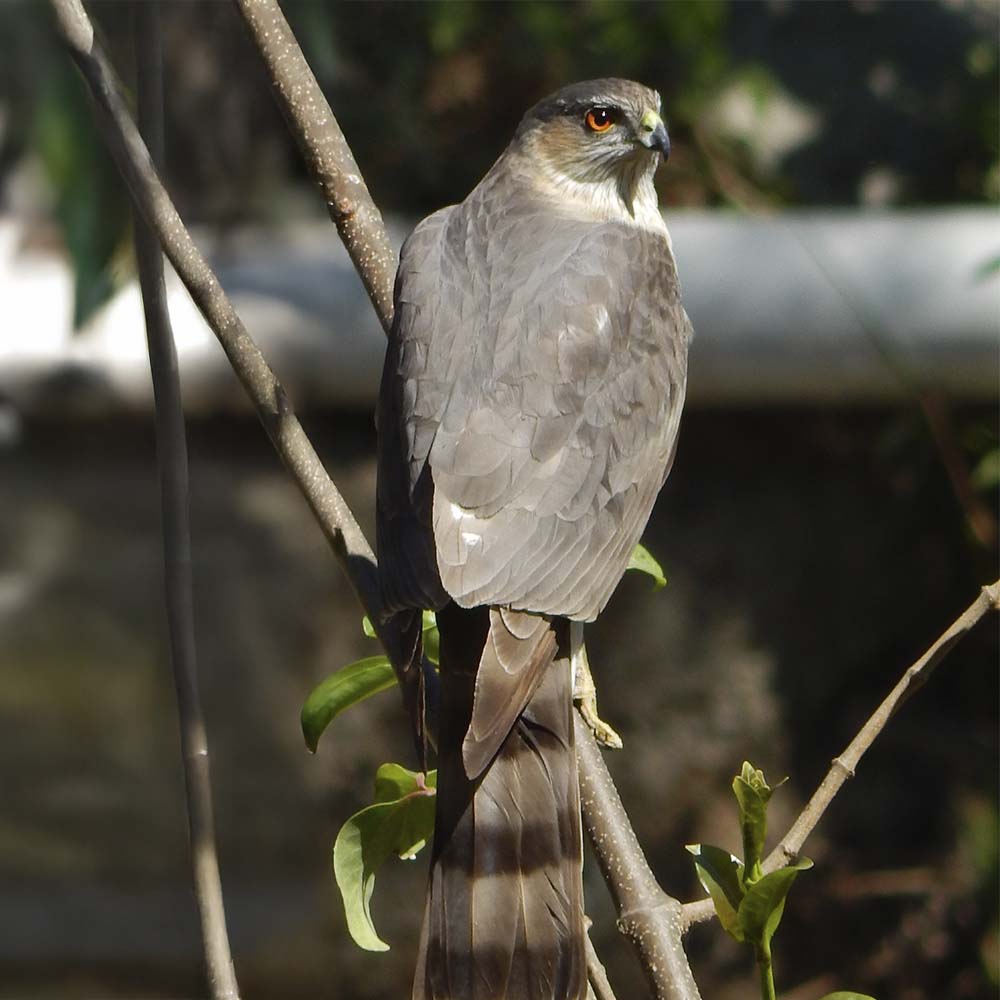
Accipiter cooperii

The most common species cared for in regional conservation centers include:

Buteo plagiatus (chicken hawk): The most common in the region and the most frequently injured, mainly because it is mistaken for a threat to domestic birds.

Buteo albonotatus (Aura Hawk): Common in the area, it frequently arrives due to electrocutions or attempted capture.

Buteo jamaicensis (Red-tailed Hawk): Inhabits more conserved areas and is often shot or captured for sale.

Strix virgata (Brown Owl): A common owl species in the area, it arrives due to the capture of young (fledglings) or attacks by domestic pets, mainly involving fractures.

Glaucidium brasilianum (Beach Owl): Victim of trafficking for sale as a pet, collisions with windows, or the destruction of its nests.

Tyto alba (Barn Owl): Affected by myths (called “witch”), it is captured or attacked and arrives injured by collisions.

Buteogallus anthracinus (Lesser Black-tailed Hawk): Mainly captured commercially for sale as pets or capturing fledglings by falling.

Parabuteo unicinctus (Harris’s Hawk): Captured for sale as a pet.

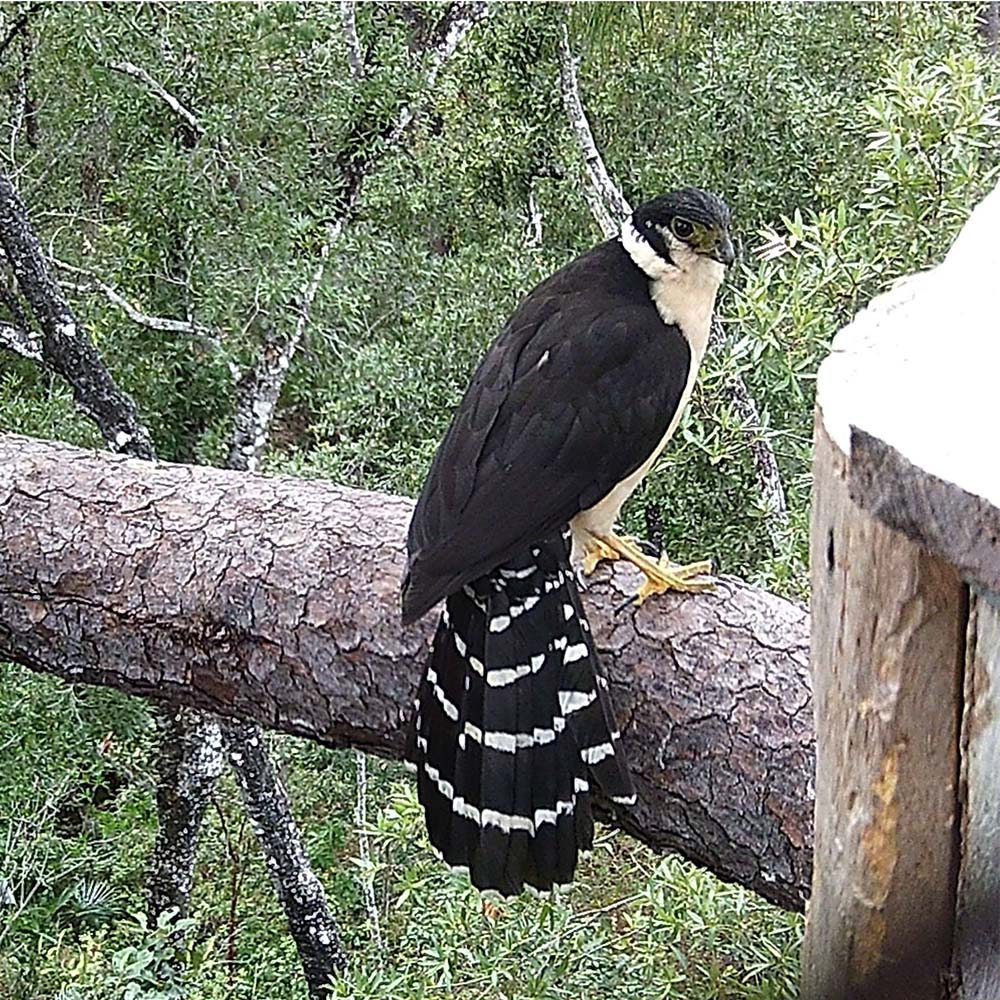
Micrastur semitorquatus (Collared Hawk): Resident in the region, it commonly arrives through bird traps.

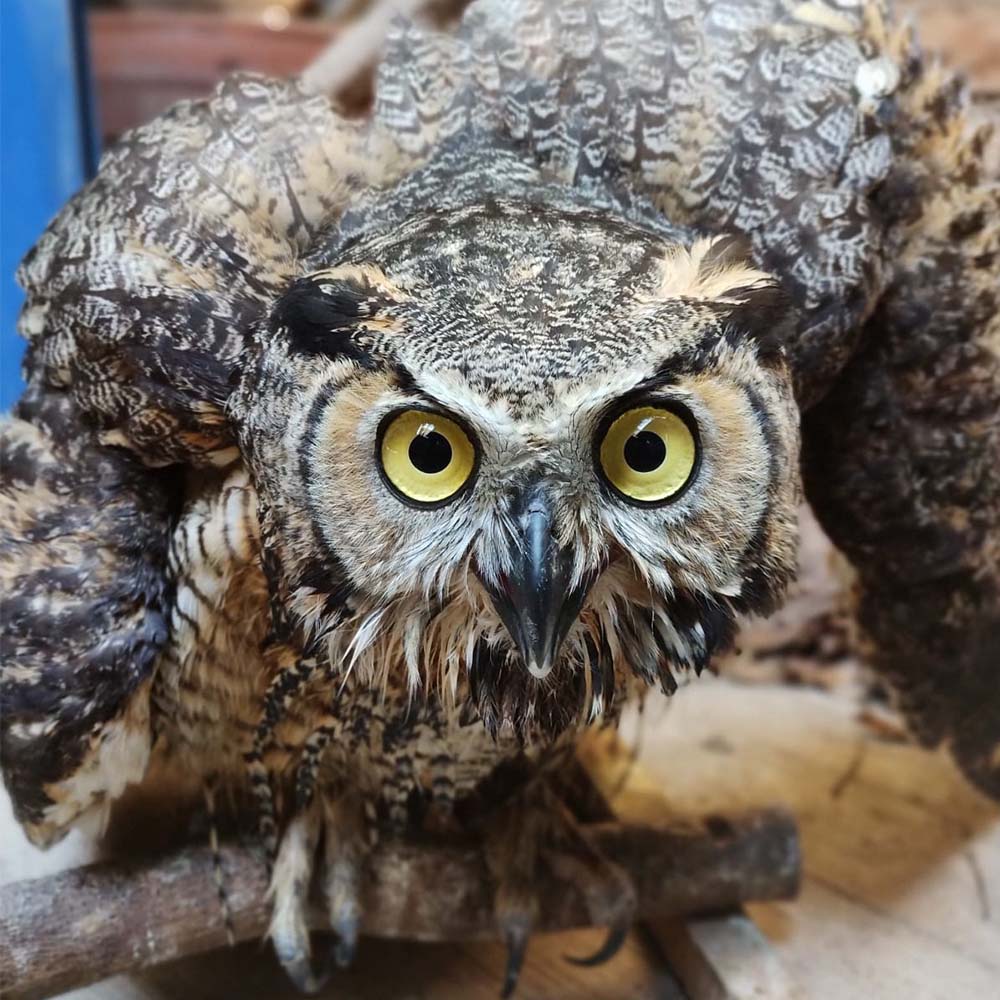
Bubo virginiano (Great Horned Owl): Arrives mainly through electrocutions.

Accipiter cooperii

Conservation actions for birds of prey include a partnership with the Macaw Sanctuary, a real conservation site for wild birds. We care for and protect their habitat and nesting sites. We carry out various actions to protect them and maintain healthy ecosystems:

• Rescue and rehabilitation, release

• Breeding and monitoring in the wild

• Environmental education and research, development of materials for their recognition and importance in ecosystems.


Some species, such as the brown owl, the barn owl, the macaw, and the collared falcon, use strategically placed nest boxes for their protection and monitoring.

Likewise, institutions like the Vallarta Botanical Garden provide spaces to raise awareness about this issue and offer platforms to promote conservation work in the region. 

Bubo virginianus

Share:

Facebook
LinkedIn
Email

Social Media

Most Popular

Get The Latest Updates

Subscribe Our Newsletter

No spam, notifications only about new products, updates.
Garden News

Related Posts

Orchid of the month: Trichocentrum brachyphyllum

Common Name: Chorizo con huevoEnglish Name: No common name A pseudobulbous epiphytic orchid with a very funny name in spanish and a somewhat complicated taxonomic history. The peculiar name in spanish of this orchid refers to its resemblance to a typical Mexican breakfast, the “huevito con chorizo” (scrambled eggs with

Read More »