Vanilla: more than a fragrance, a 1,500-year legacy

Vanilla:
more than a fragrance, a 1,500-year legacy

By Antonio Gómez

April 30, 2026

Intertwined with trees in a “loving vegetal embrace,” vanilla begins at the forest floor and climbs toward the highest canopy. This orchid—the only one in the world that produces an edible fruit—is not just an ingredient; it is a biocultural treasure that has been cultivated in Mexico for over a millennium and a half.

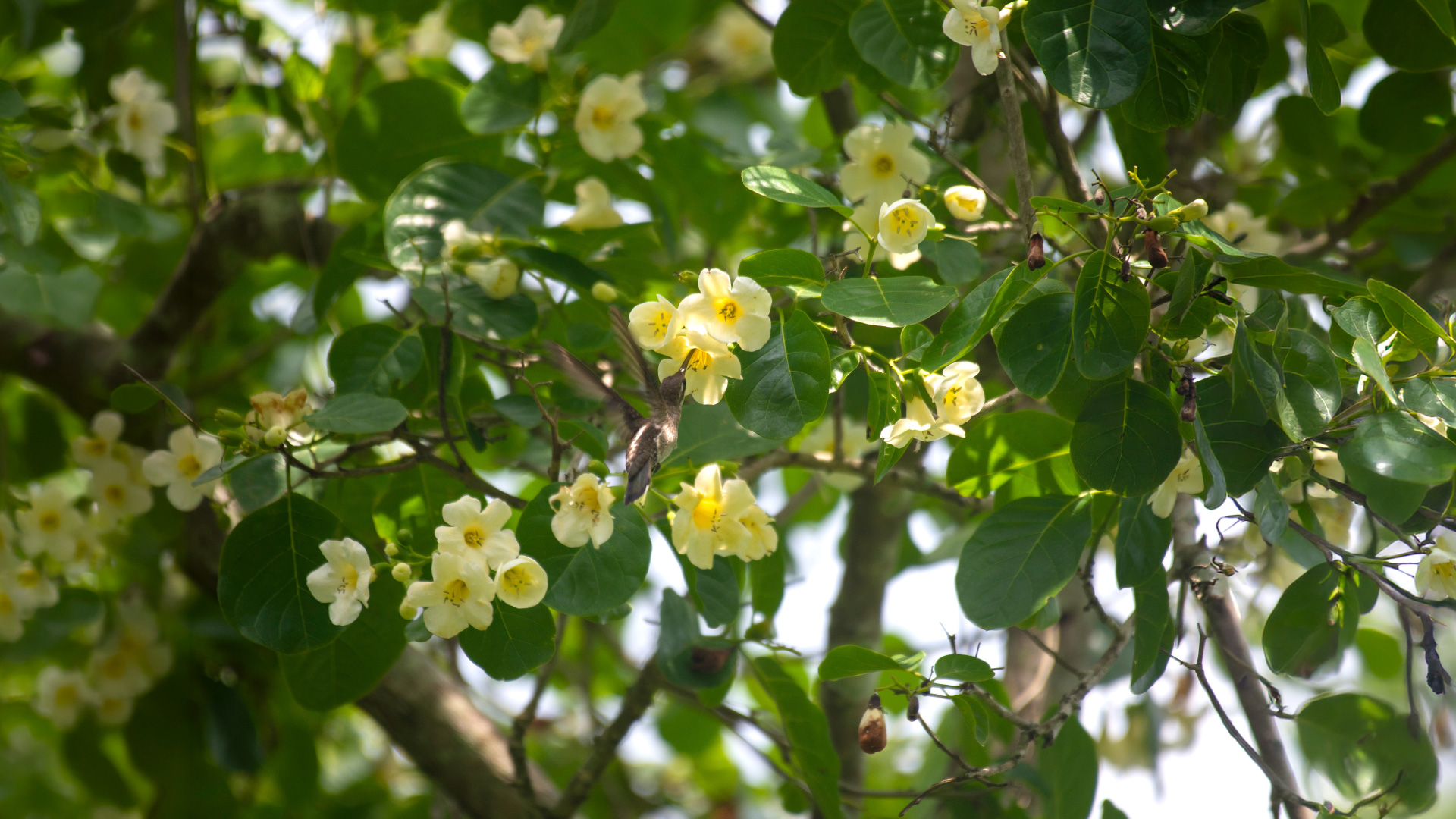
With the arrival of April’s warmth, vanilla comes into its own. Its survival strategy is a botanical drama: its flowers open for only a few brief hours each day, wilting by nightfall. Within that critical window, its fragrance seeks to attract its pollinator, while its labellum acts as a “landing strip” for specialized bees that carry the pollen masses needed for the flower to transform into the prized pod.

Long before becoming the world’s favorite flavor, vanilla was known as Tlilxóchitl (“black flower”) by the Nahua peoples. In the Cruz-Badiano Codex (1552), it is recorded as an essential component in medicinal recipes used to comfort travelers suffering from fatigue and in need of care along their journeys. Its bond with cacao is ancestral; while in Mayan codices cacao is called the “food of the gods” (kakaw u hanal), vanilla was its inseparable aromatic companion.

Today, some species of this orchid face the threat of extinction. For this reason, botanical gardens protect its life cycle. We invite you to witness this fleeting bloom throughout the rest of April at the Vallarta Botanical Garden.

Facebook
LinkedIn
Pinterest