Bird of the Month at Vallarta Botanical Garden
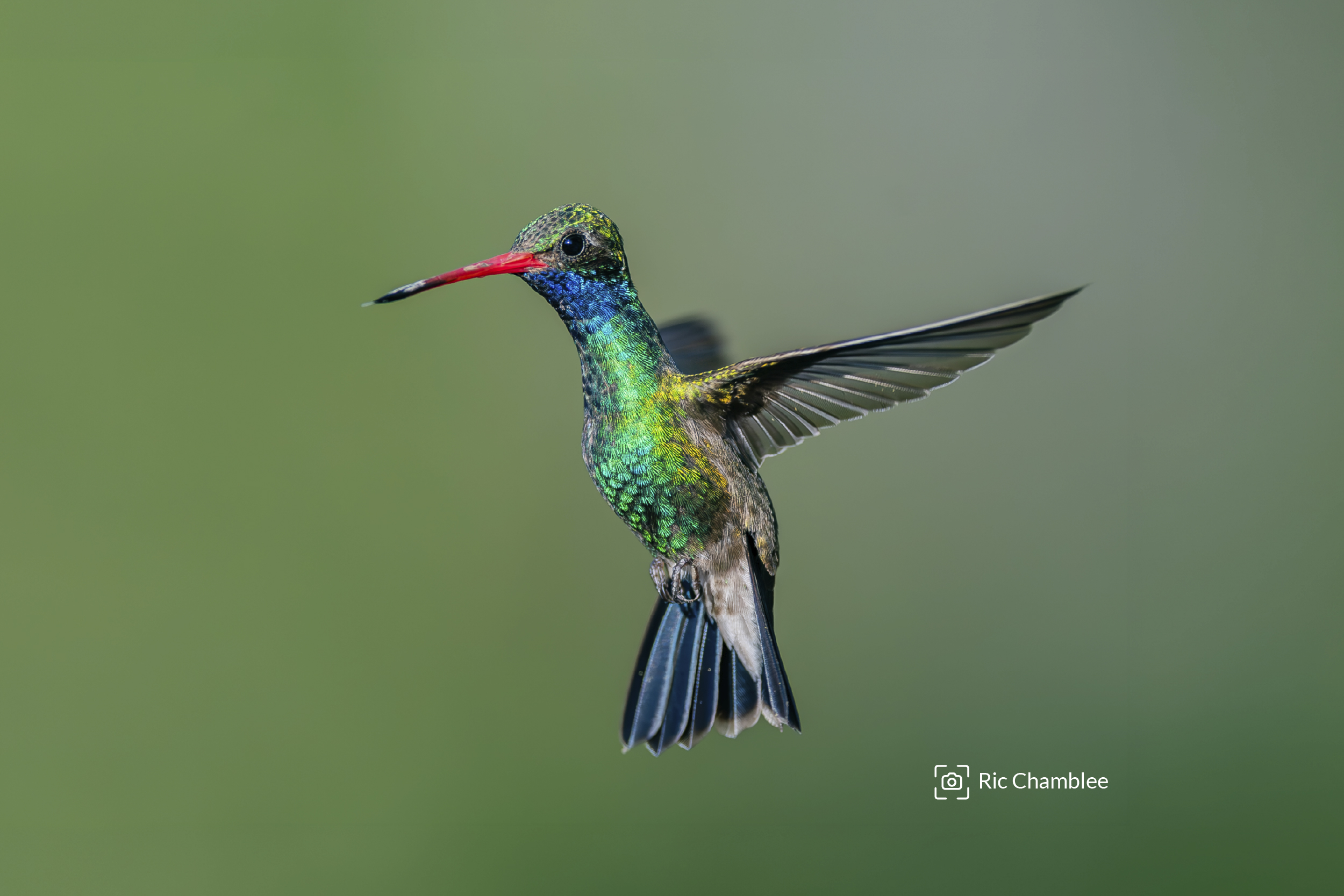
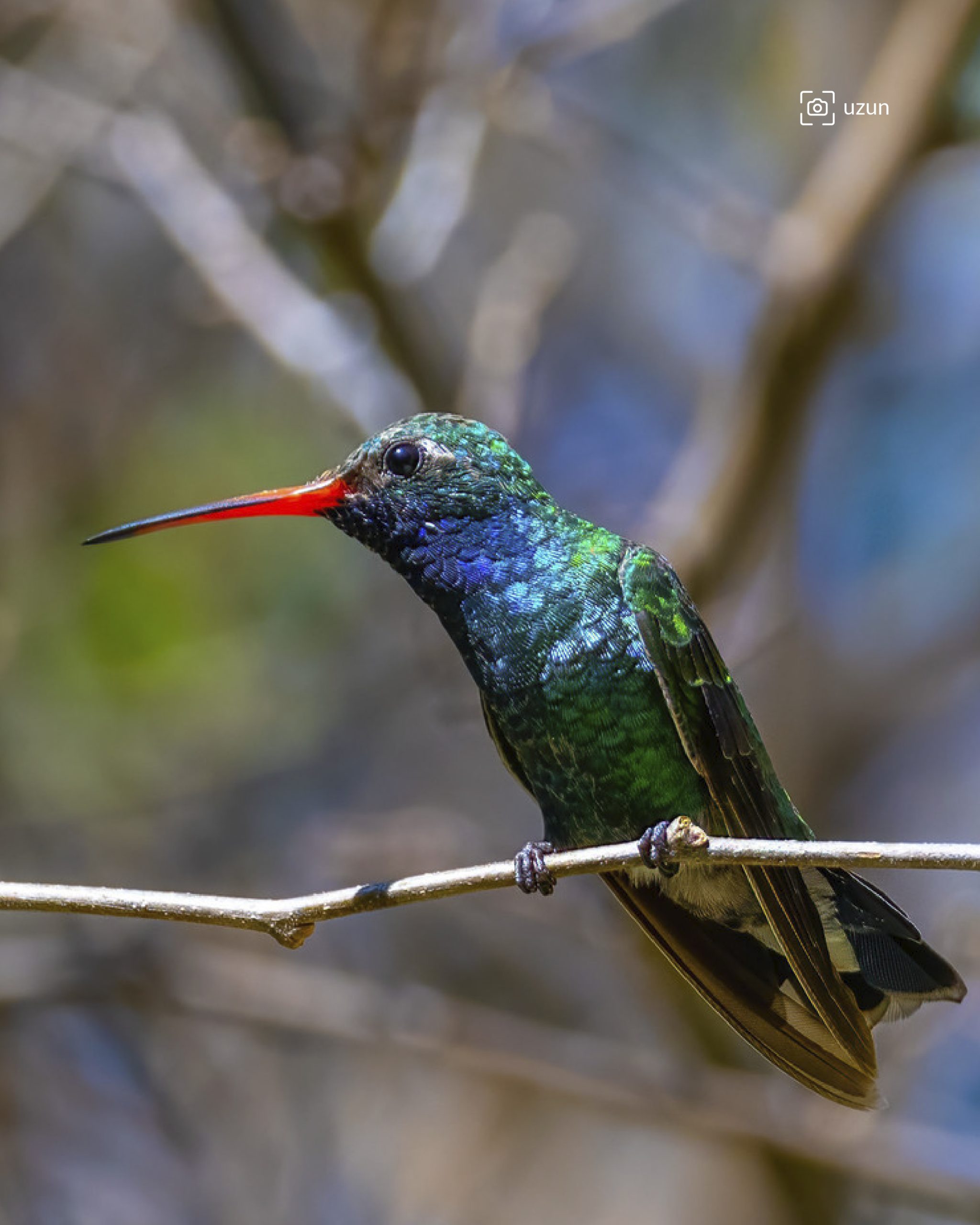
Small, fast, and full of color, the broad-billed hummingbird is one of those species that can easily go unnoticed—until the right light reveals its true beauty.
Measuring just 12 cm (4.7 inches) in wingspan and weighing between 3 to 4 grams, this tiny bird is a reminder that even the smallest creatures play a big role in nature. At the Vallarta Botanical Garden, it can be observed year-round, making it a favorite for birdwatching in Puerto Vallarta.
A shimmer that depends on light
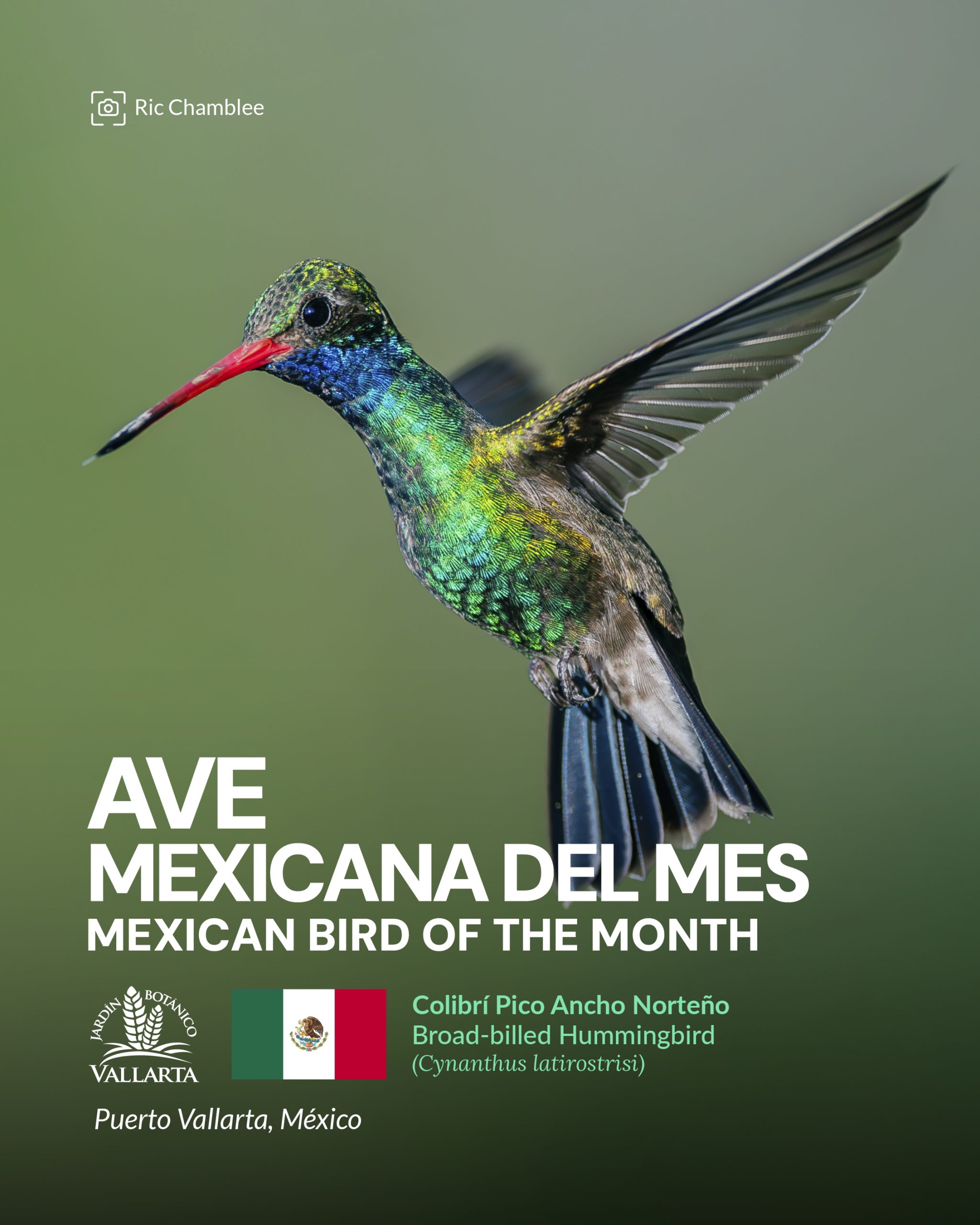
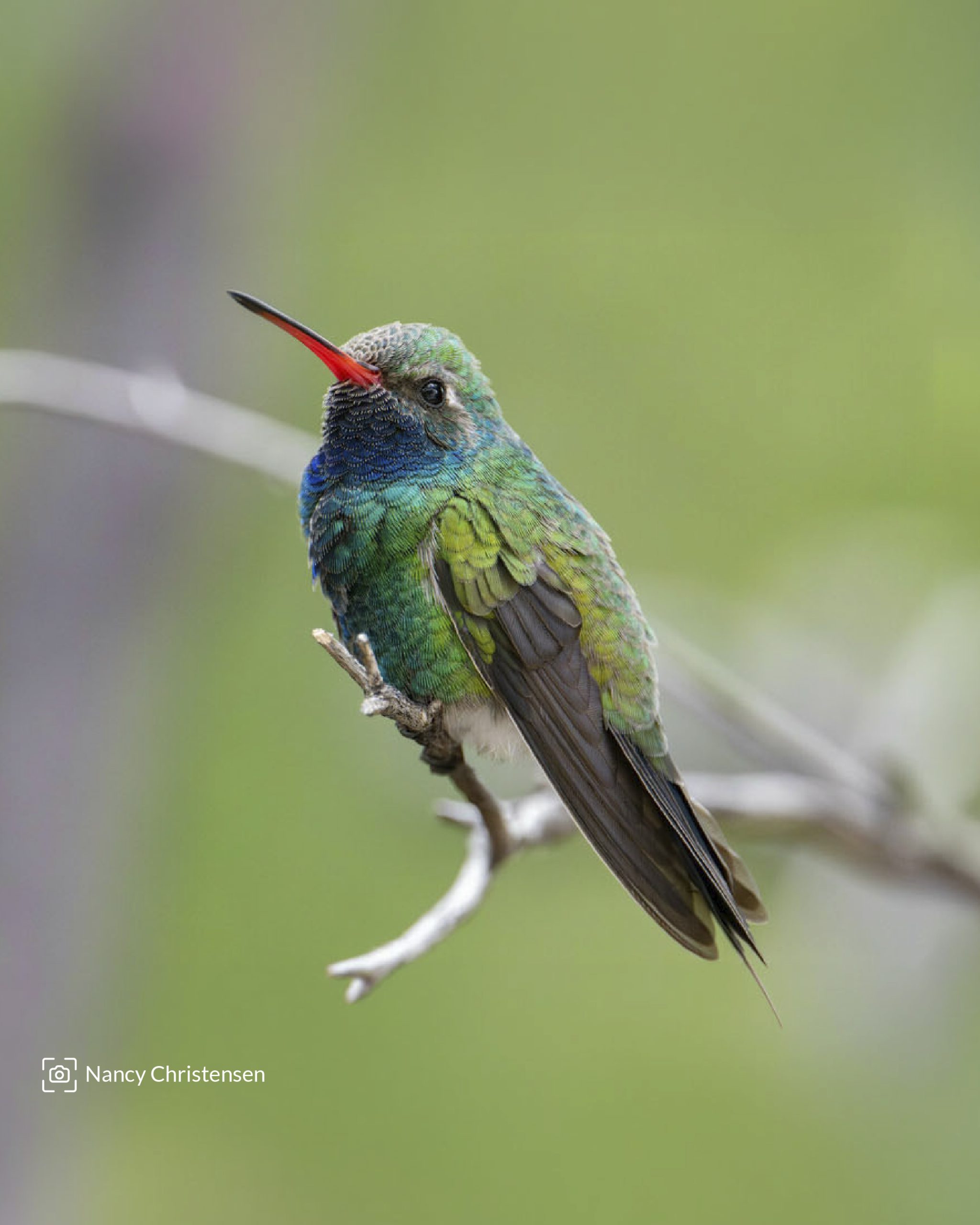
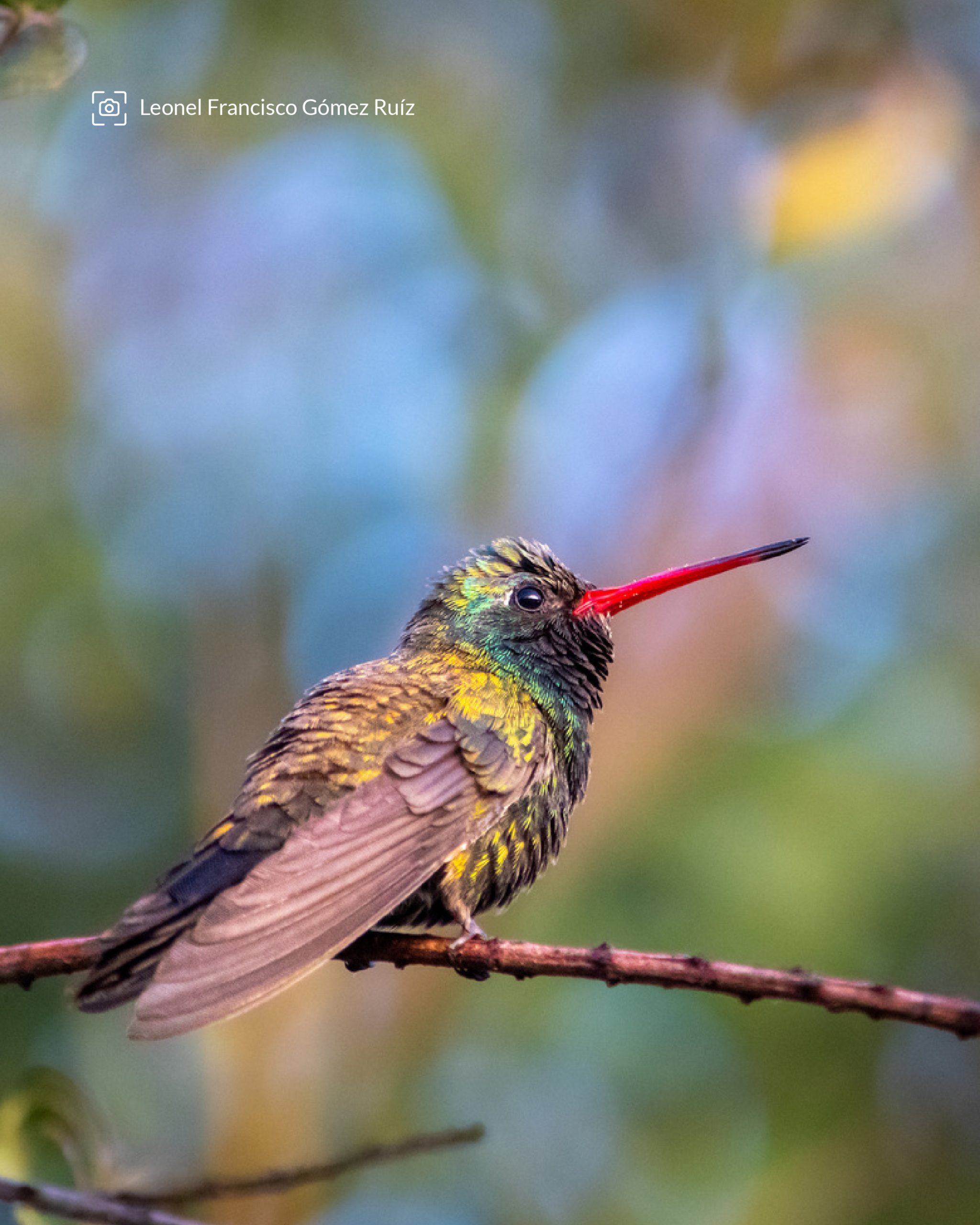
At first glance, the male broad-billed hummingbird may appear dark. However, when light hits its feathers, it reveals iridescent blue and green tones that shift with movement. Its wide, reddish bill is one of its most distinctive features.
The female, in contrast, has a more subtle appearance, with grayish tones and a white stripe behind the eye, helping her blend into her surroundings, especially during nesting.
More than just a flower visitor
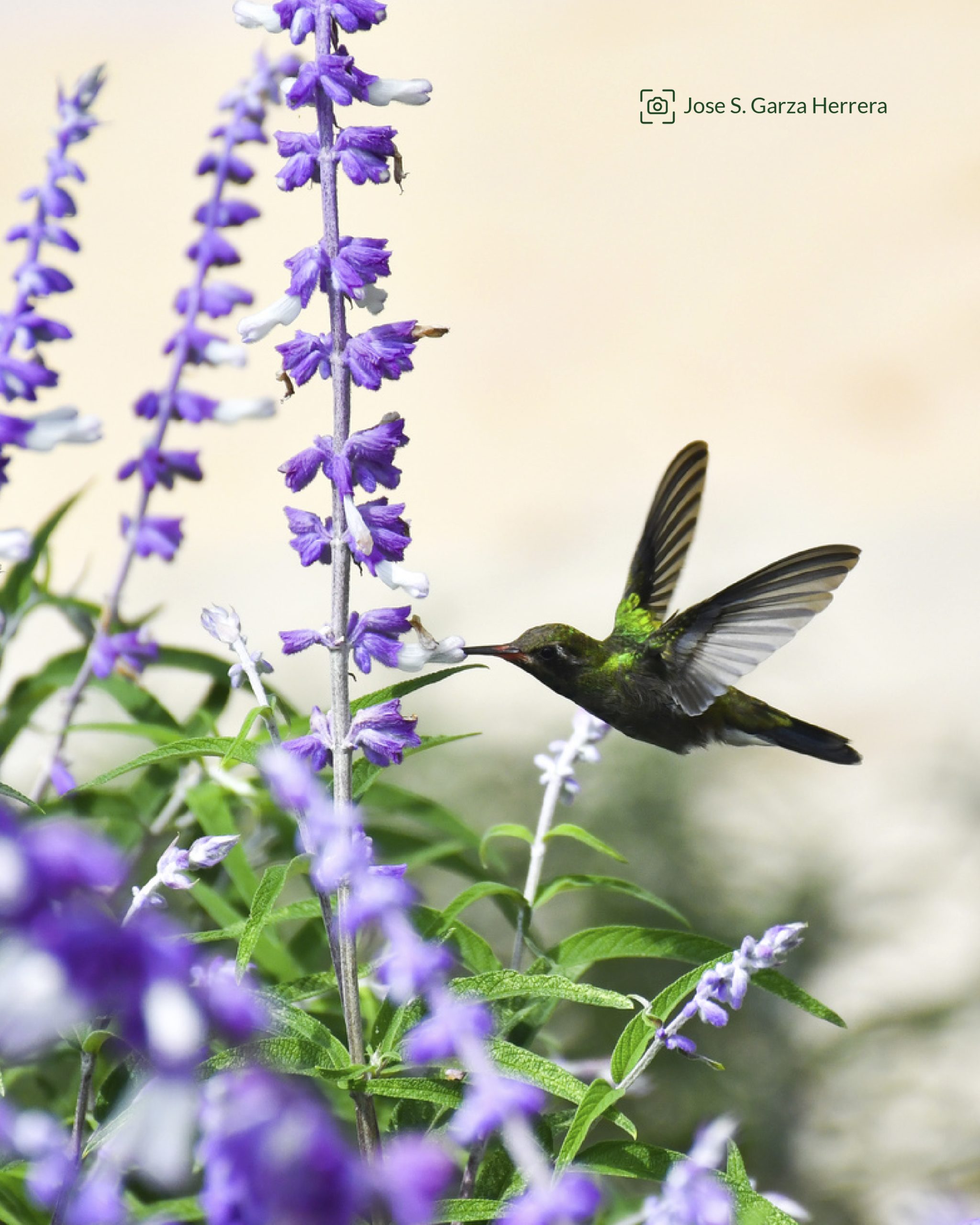
The broad-billed hummingbird is not only visually striking but also ecologically important. It primarily feeds on nectar from tubular flowers, especially those in red and orange hues, making it a key pollinator in its ecosystem.
It also supplements its diet with small insects such as:
- aphids
- mosquitoes
- grasshoppers
These provide essential protein and help maintain ecological balance by controlling insect populations.
Subtle yet fascinating behavior
Unlike many birds, the song of the broad-billed hummingbird is soft and often barely audible, so it is usually noticed by its rapid movement rather than sound.
Another interesting trait is its nesting style. Unlike other hummingbird species, it typically builds simpler nests without external lichen decoration, making them less conspicuous but equally effective.
Where to see hummingbirds in Puerto Vallarta
Cynanthus latirostris is widely distributed across Mexico and the southern United States, adapting to a variety of habitats.
If you’re wondering where to see hummingbirds in Puerto Vallarta, the Vallarta Botanical Garden is one of the best places. Its rich diversity of native plants and flowers creates the perfect environment to observe hummingbirds in their natural habitat.
A nature experience worth discovering
Watching a broad-billed hummingbird is more than just spotting a bird—it’s witnessing precision, energy, and balance in motion.
At the Vallarta Botanical Garden, every visit offers the opportunity to connect with local biodiversity and understand the vital role these small species play in the ecosystem.
The next time you see a flash of color moving quickly between flowers, take a moment. You might be looking at one of the garden’s most remarkable residents.